
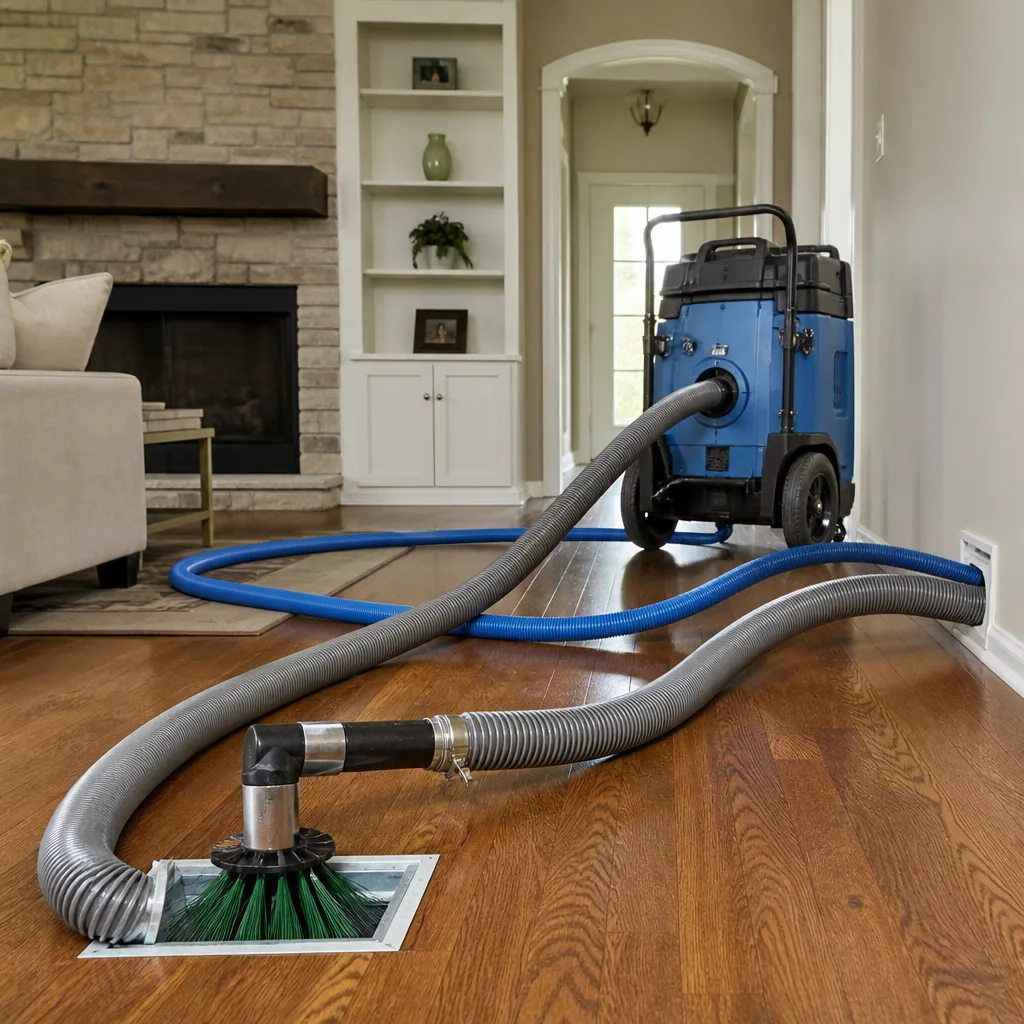
 Whole-home duct cleaning
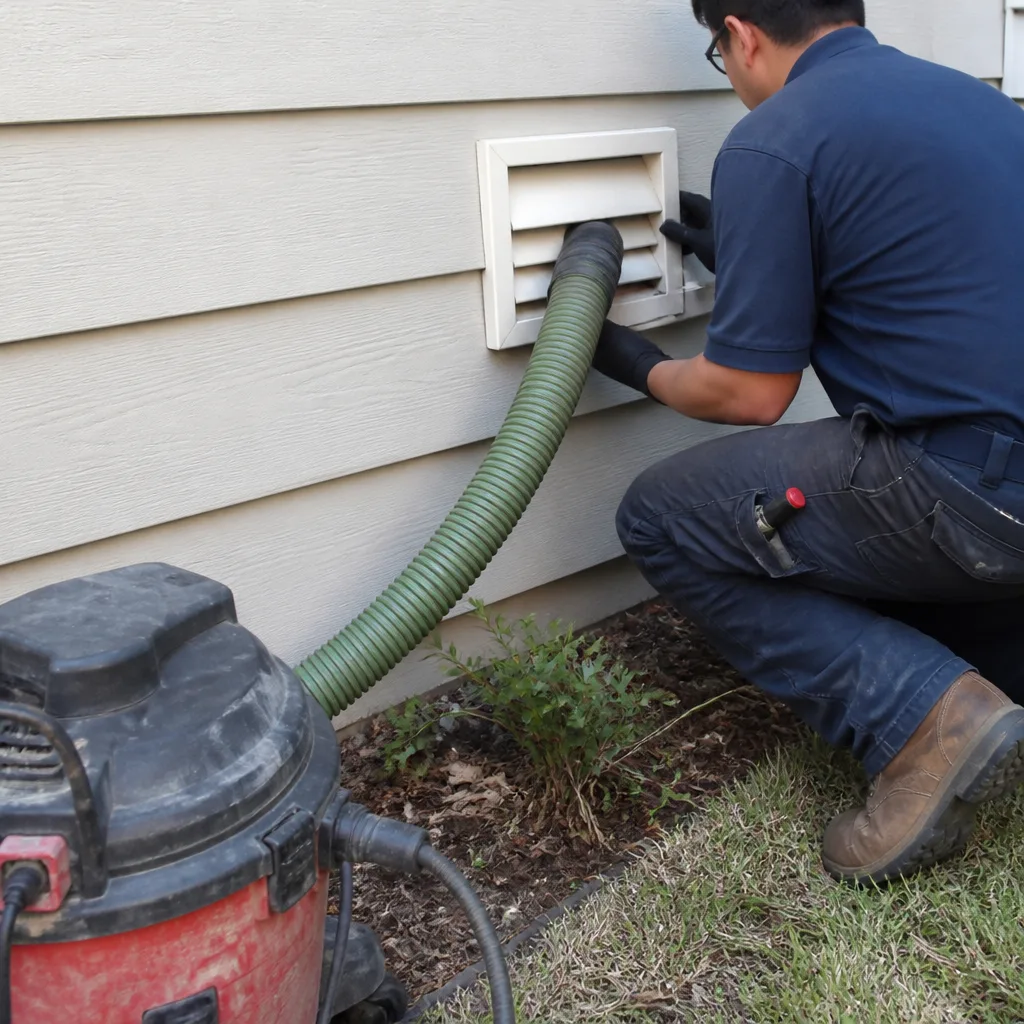
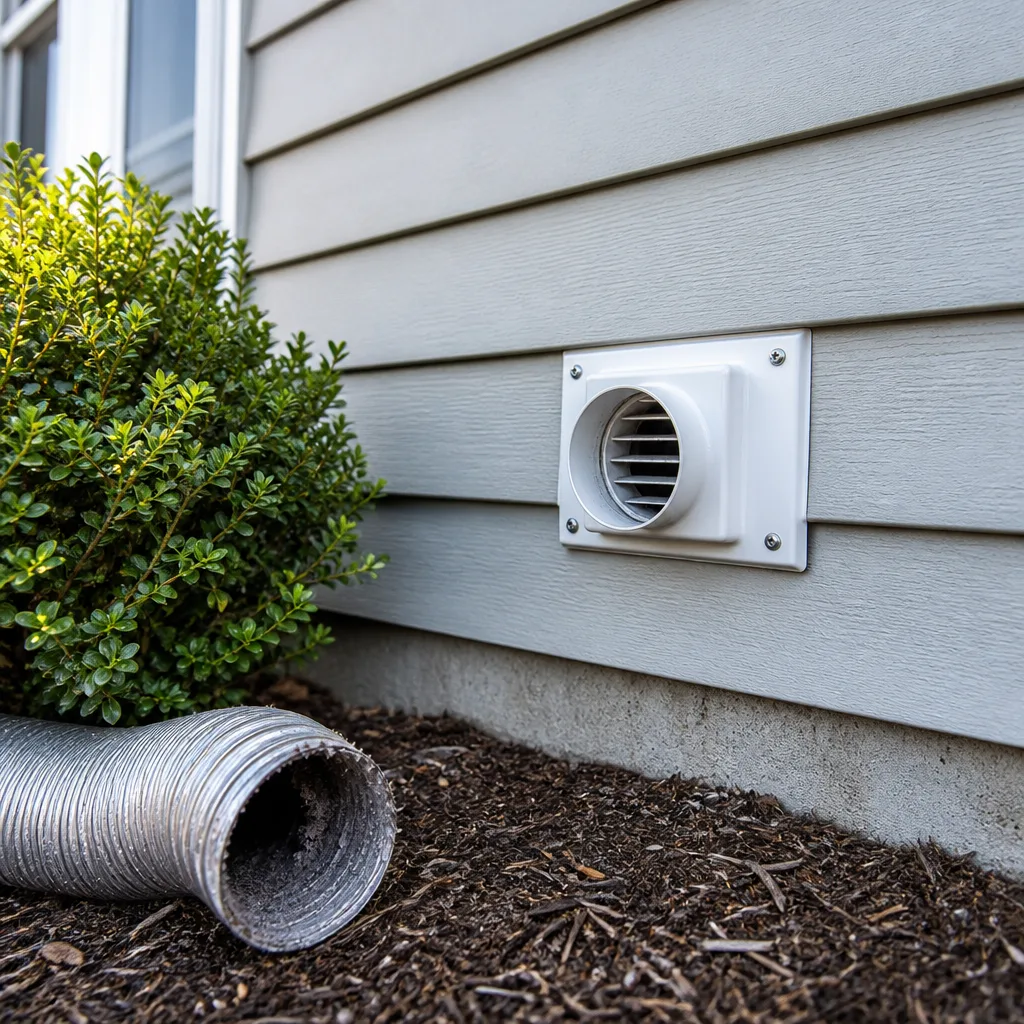 Dryer vent cleaning
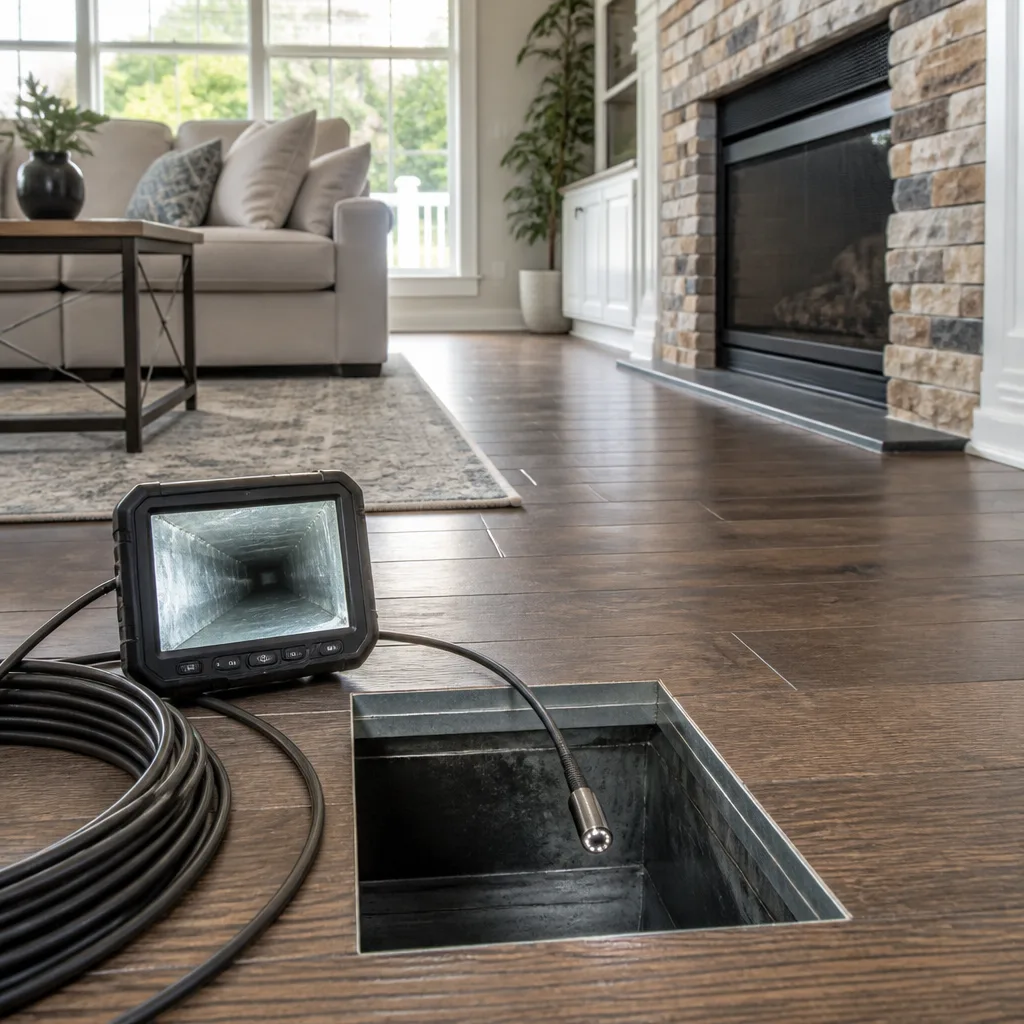 Camera inspection
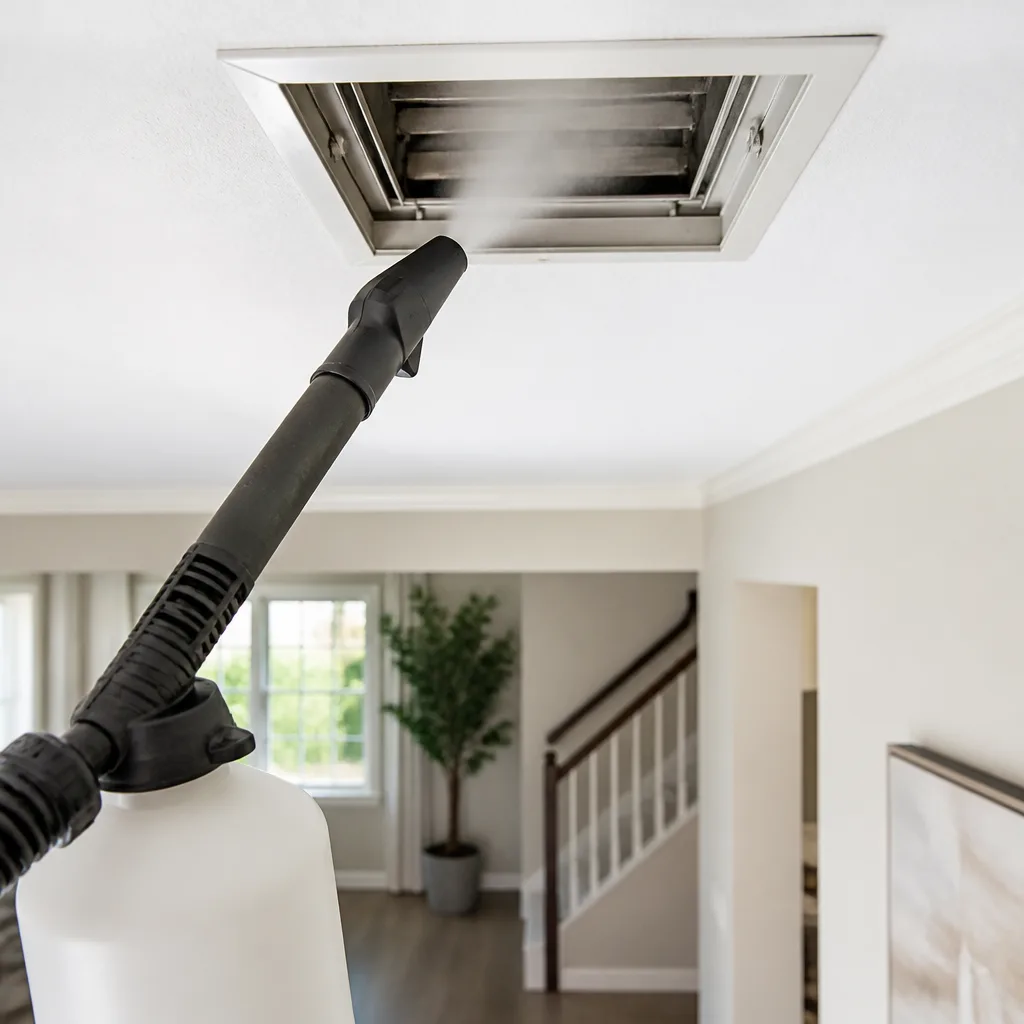 Sanitizing & deodorizing
Whole-system duct and dryer vent check with before-and-after photos - you see exactly what came out of your vents
That "$99 whole-house special" is a bait ad - the real number appears once they are in your hallway, or the "clean" is a shop-vac at the register. We photograph the inside of your ducts before and after instead.
Honeywell Register & Grille Cleaning: The Houston Owner’s Guide
Honeywell register and grille cleaning in Houston homes typically runs between $12 and $28 per register when done as part of a full duct cleaning, and most homeowners with 8 to 12 registers should expect to pay $180 to $340 for the complete system if registers are heavily coated with dust, pet hair, or the sticky gray film Houston humidity leaves behind. We carry Honeywell-compatible registers and grilles on the truck at Kestrel Air Duct Houston, so if a register is cracked, rusted, or too far gone to clean, we can swap it while we’re there instead of making you wait on a second trip. Most owners discover the problem the same way: they pull a register to vacuum under it and realize the grille itself has become the dirtiest part of the room, or they notice one vent blowing noticeably weaker than the others because the register is choked with buildup.
Kestrel Air Duct Houston is an independent service provider. We are not affiliated with Honeywell, but we’ve worked on Honeywell registers and grilles in hundreds of Houston homes and know their sizing, mounting styles, and where they tend to fail first in this climate.
Which Honeywell Models This Applies To
Honeywell makes two broad families of registers and grilles: the basic stamped-steel models (often sold under the Home line at big-box stores) and the premium aluminum models with adjustable curved blades you’ll see in houses built after 2010. The aluminum models are the ones worth cleaning rather than replacing, because they hold their shape and the blade pivots survive years of opening and closing. The stamped-steel versions rust faster, especially in Houston’s humidity, and once rust gets into the louvers they never slide smoothly again no matter how thoroughly you clean them.
The compatibility gotcha to watch for: Honeywell’s older rectangular registers from the 1990s and early 2000s used a non-standard screw-hole spacing that’s about 1/8″ narrower than what’s sold today. If you’re replacing one of those, we carry adapter clips on the truck so the new register seats flush against the drywall instead of leaving a gap that leaks conditioned air into the wall cavity. The fastest way to identify yours is to pull it off and measure the actual opening, not the register face. A register stamped 4×10 covers an opening that’s usually 3-1/4″ x 9-1/4″, and guessing wrong means a return trip to the store.
We also handle registers and grilles built for Lennox, Trane, and Carrier systems, so if your Honeywell setup is a retrofit on one of those, the mounting plate usually still lines up with standard duct boots and we can make it fit properly.
Styles & brands we work with
Signs Your Honeywell Register & Grille Cleaning Is Failing
- The louvers won’t stay where you set them. Dust and the fine Houston pollen mix with humidity to form a paste that gums up the blade pivots, so the register either flops open and closed on its own or seizes in one position. Cleaning the hinge points with the register removed usually restores smooth adjustment, unless the pivot pins have actually worn through.
- Visible black speckling along the blade edges. In Houston’s mold-friendly air, registers in hallways near bathrooms or kitchens collect a dark film faster than anywhere else in the house. If you wipe it and it smears instead of dusting off, that’s moisture-driven growth and the register needs a proper wash or replacement, not just a dusting.
- Airflow through one room dropped noticeably. Registers that haven’t been cleaned in years act like a damper, not a vent. When the face of the grille is 40% blocked, the room heats and cools unevenly, and your system works harder for the same result.
- Rust spots or flaking paint on the face. Once rust starts on a stamped-steel Honeywell register, it spreads under the paint and the register starts shedding tiny metal flakes into the room. That’s a replacement, not a cleaning.
- Whistling or hissing at high fan speed. Gunk buildup changes the airflow pattern across the louvers, and the sharp edges of hardened dust create turbulence you can hear through the whole room. A clean register with properly aligned blades is nearly silent.
See the difference
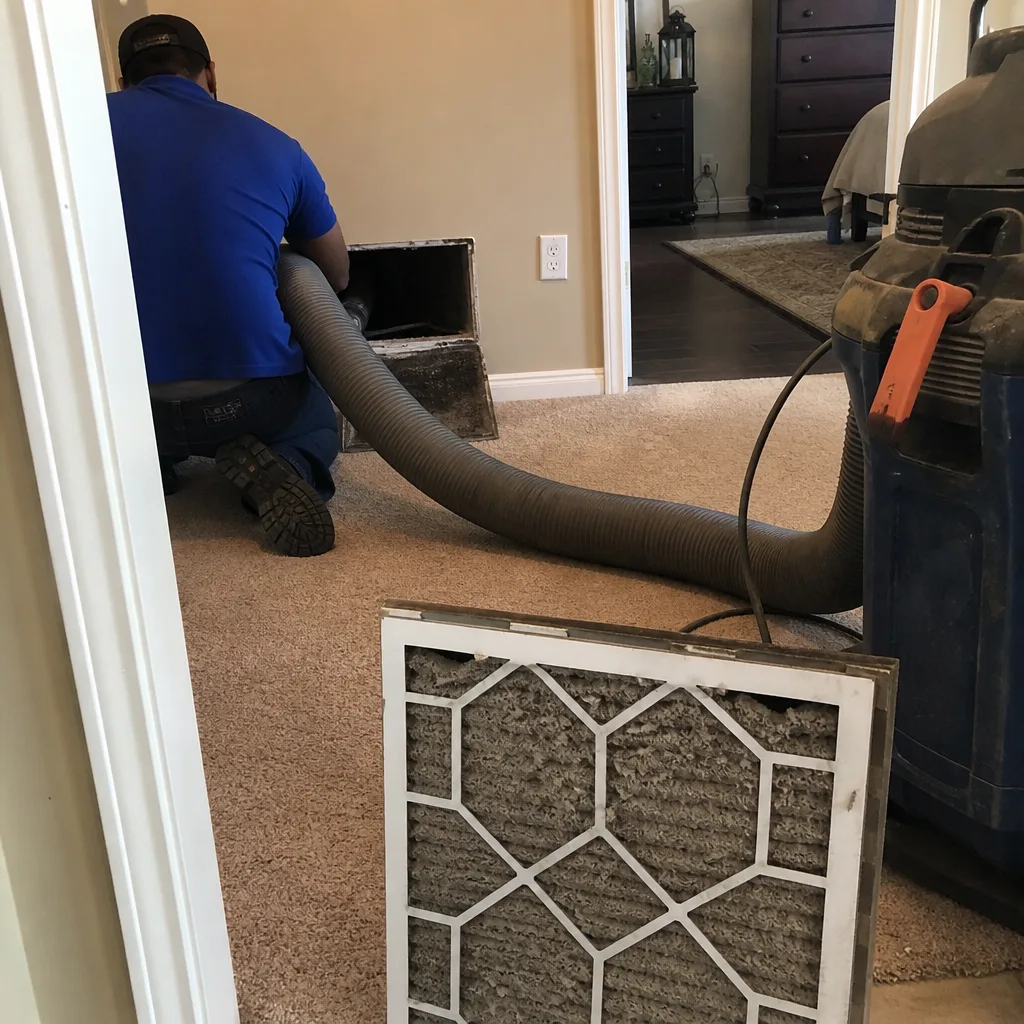 Before
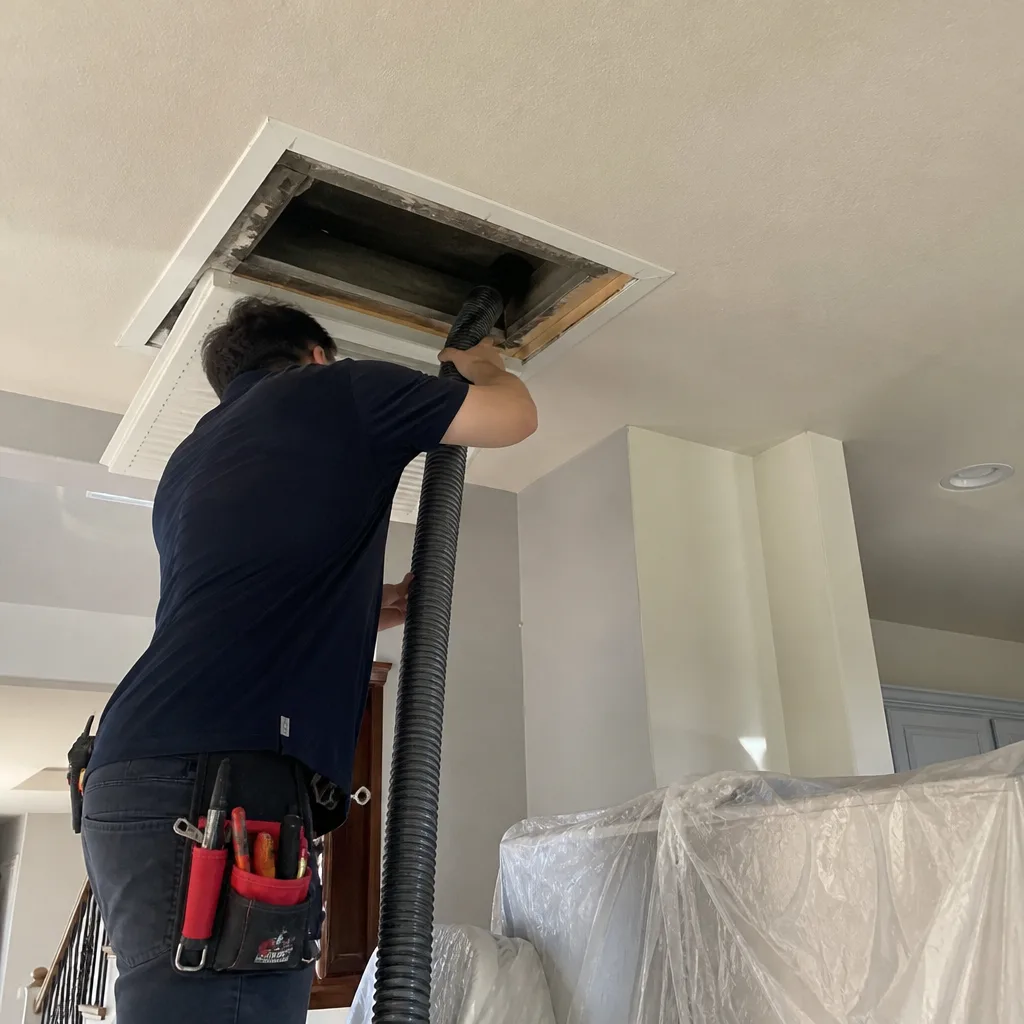 After
After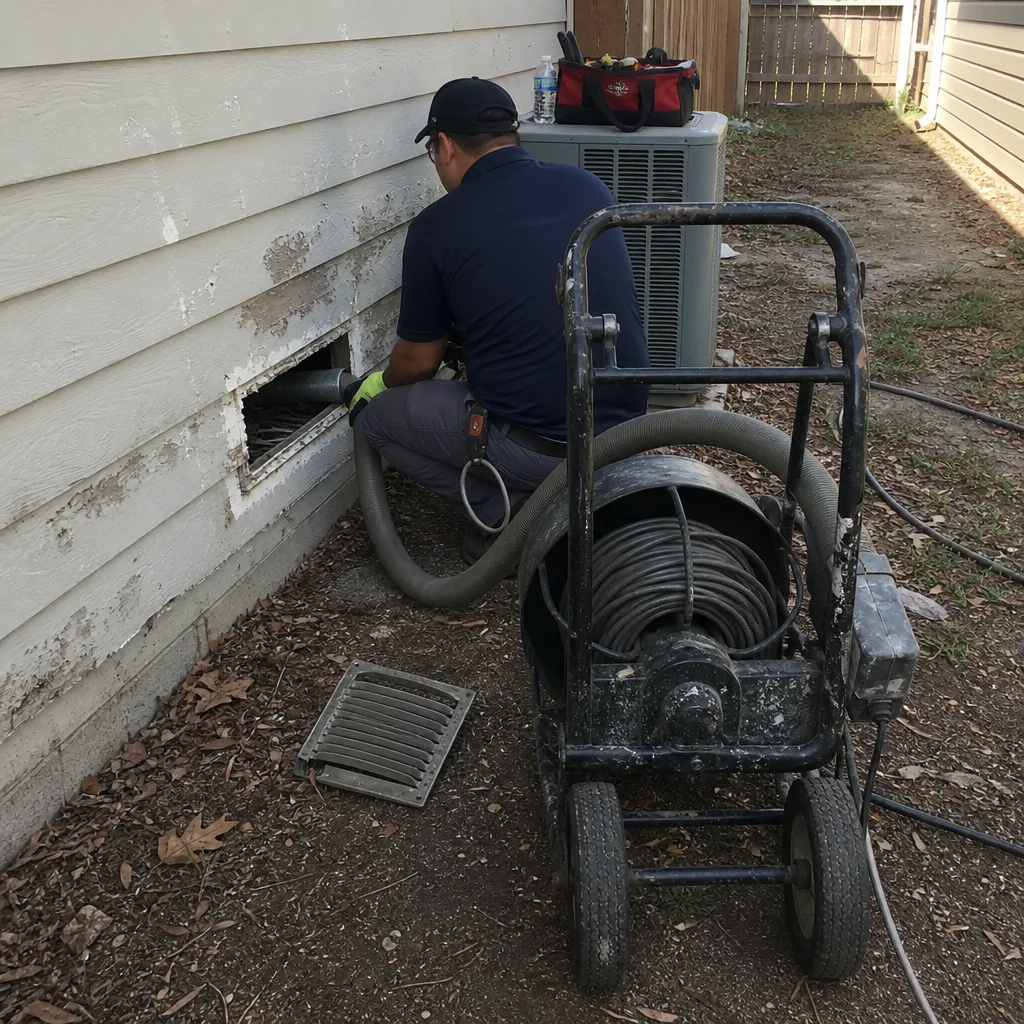 Before
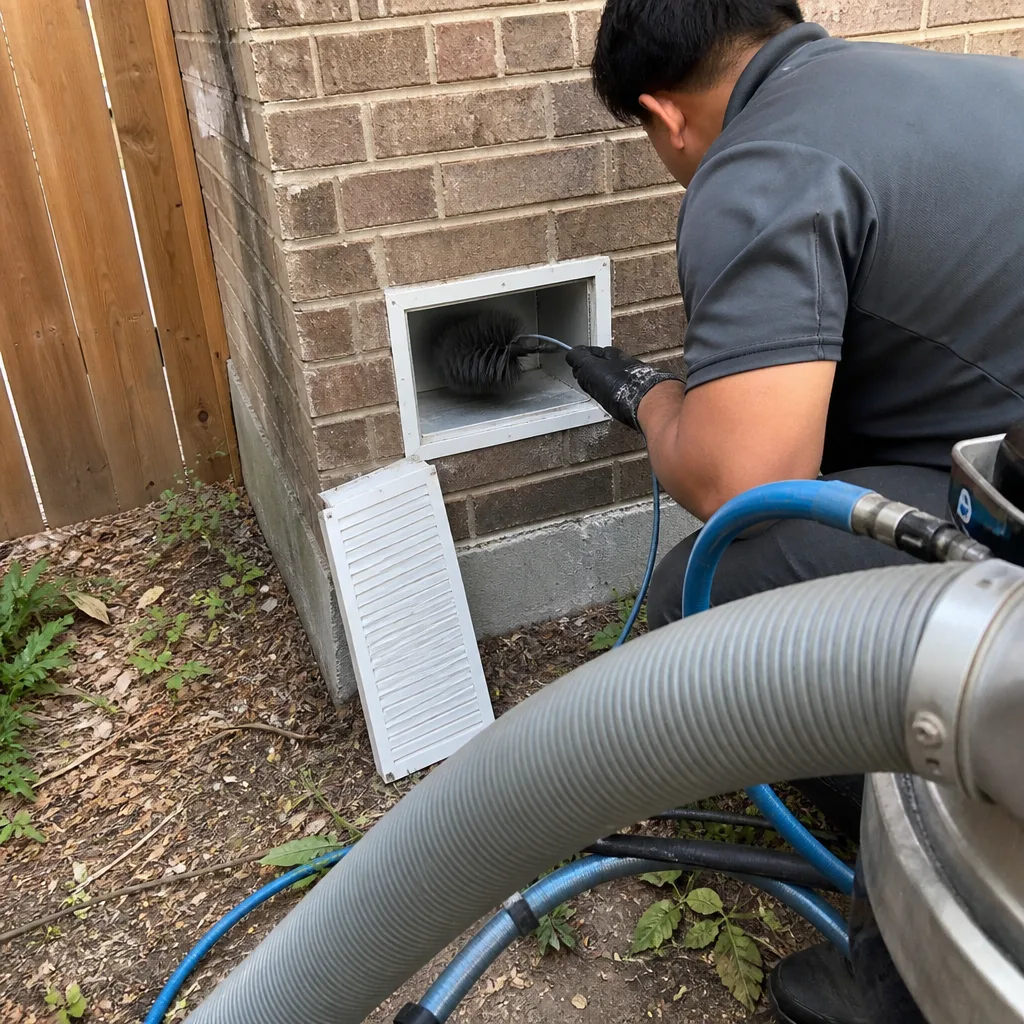 After
After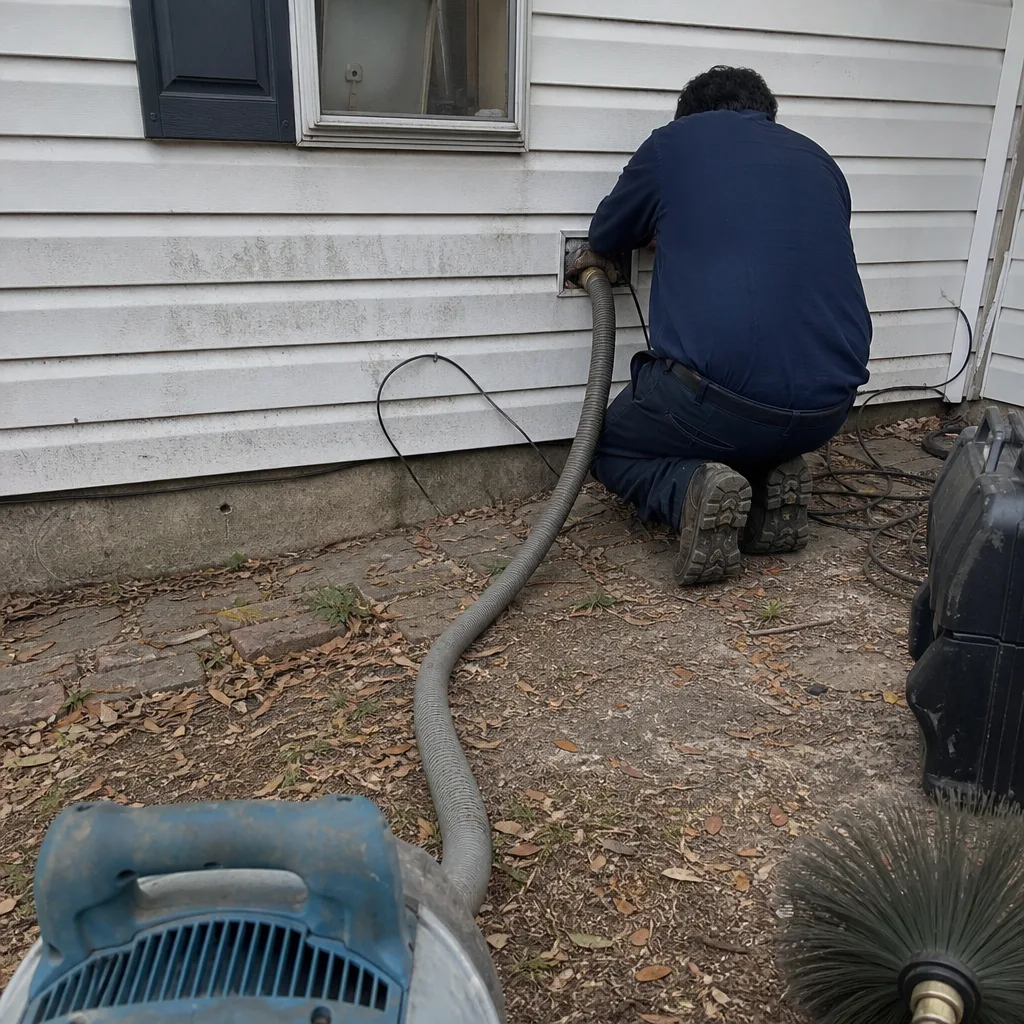 Before
 After
AfterReplacement Cost & What’s Included
For an entire home in Houston, expect to pay between $180 and $340 depending on the number of registers and how badly they’re fouled. That includes pulling every Honeywell register and grille, hand-washing or ultrasonic-cleaning each one, scrubbing the duct boot behind it, and reinstalling with new screws if the old ones are stripped or rusted. If a register is beyond saving, a new Honeywell-compatible replacement typically runs $15 to $45 per unit depending on size and material, and that’s priced before any work starts.
What drives the range is access. Registers on the main floor of a ranch house come out in seconds. Registers in a two-story Houston home with vaulted ceilings and stamped steel that’s rusted into the boot take longer, and we factor that in honestly. You get the written price before a single vent is touched, and it doesn’t change at the door. Every register cleaning and replacement falls under the 365-Day Done Right Promise: if the work doesn’t hold up within a year, we return and make it right at no charge.
DIY or Call Us?
You can safely remove a Honeywell register yourself. Two flathead screws, a gentle pull, and it’s out, and a quick vacuum with a brush attachment plus a wipe-down with a damp rag and mild soap handles light dusting. If the louvers are sticky, a toothbrush and warm soapy water clears most of it. That’s a reasonable Saturday project for one or two registers.
Where DIY goes wrong is when the register comes out and you see what’s behind it. The boot, the first foot or two of duct, is usually collecting the same dust the register was catching, and once you disturb it with a home vacuum, the fine particles go airborne instead of getting captured. We clean the boot with negative-air extraction, running a Nikro negative-pressure unit that pulls the loosened debris out of the duct rather than blowing it into the room. If you’ve pulled a register and found black mold-looking film, rust that has eaten through the metal, or multiple registers seized at once, call us at (254) 347-2738 and we’ll give you a straight price for the whole system, not just the registers.
FAQs
In Houston’s humidity, a stamped-steel Honeywell register typically lasts 8 to 15 years before rust or pivot wear makes replacement the smarter call, while the aluminum models routinely go 20 years or more with periodic cleaning. The biggest variable is the room they’re in; registers near the kitchen or a bathroom door age twice as fast as those in a bedroom. If yours are rusting, cleaning buys you months, not years. Call (254) 347-2738 and we’ll tell you honestly which ones are worth saving.
Bent louvers, loose pivot pins, and stuck blades can usually be repaired by cleaning and realigning the mechanism, and that’s included in a standard register cleaning. Cracked faces, rust-through, and broken mounting flanges are not repairable, and we recommend replacement so the register actually seals against the wall. We stock Honeywell-compatible replacements in the common Houston sizes and can tell you the price before we order or install anything.
A full-home register and grille cleaning in Houston typically takes 60 to 90 minutes on site, depending on how many registers you have and how much buildup has accumulated. We factor travel time separately, and when you book at (254) 347-2738 you get a defined arrival window, not a four-hour guess. You’ll know the price before any work starts, and it won’t change when we’re standing in your hallway.
We stock the most common Honeywell-compatible register sizes on our trucks, including 4×10, 4×12, 6×10, 6×12, and 2×12 step-down models, in both white and aluminum finishes. Unusual sizes or specialty finishes may take 2 to 5 business days to source, and we’ll tell you that before you commit. If your existing registers are cleanable and just need attention, we lean toward cleaning before replacing, because a clean original register almost always fits better than an aftermarket one.
Dale Whitmore has been cleaning Houston duct systems since making this city his working home, handling everything from Heights bungalows to high-rises near the Galleria. His crews work under the Kingswell Guarantee and The Kingswell Way: say the price, show up in the window we gave, leave the place cleaner, put the guarantee in writing, come back if it fails. Clean ducts, straight price, no guesswork.
Call Kestrel Air Duct Houston at (254) 347-2738 for a free estimate on Honeywell register and grille cleaning. A live person answers, any time of day, and you’ll get a written price before any work begins.
Written by Dale Whitmore, Owner, Kestrel Air Duct Houston at Kestrel Air Duct Houston, serving Houston and nearby areas.