
Last updated October 15, 2026
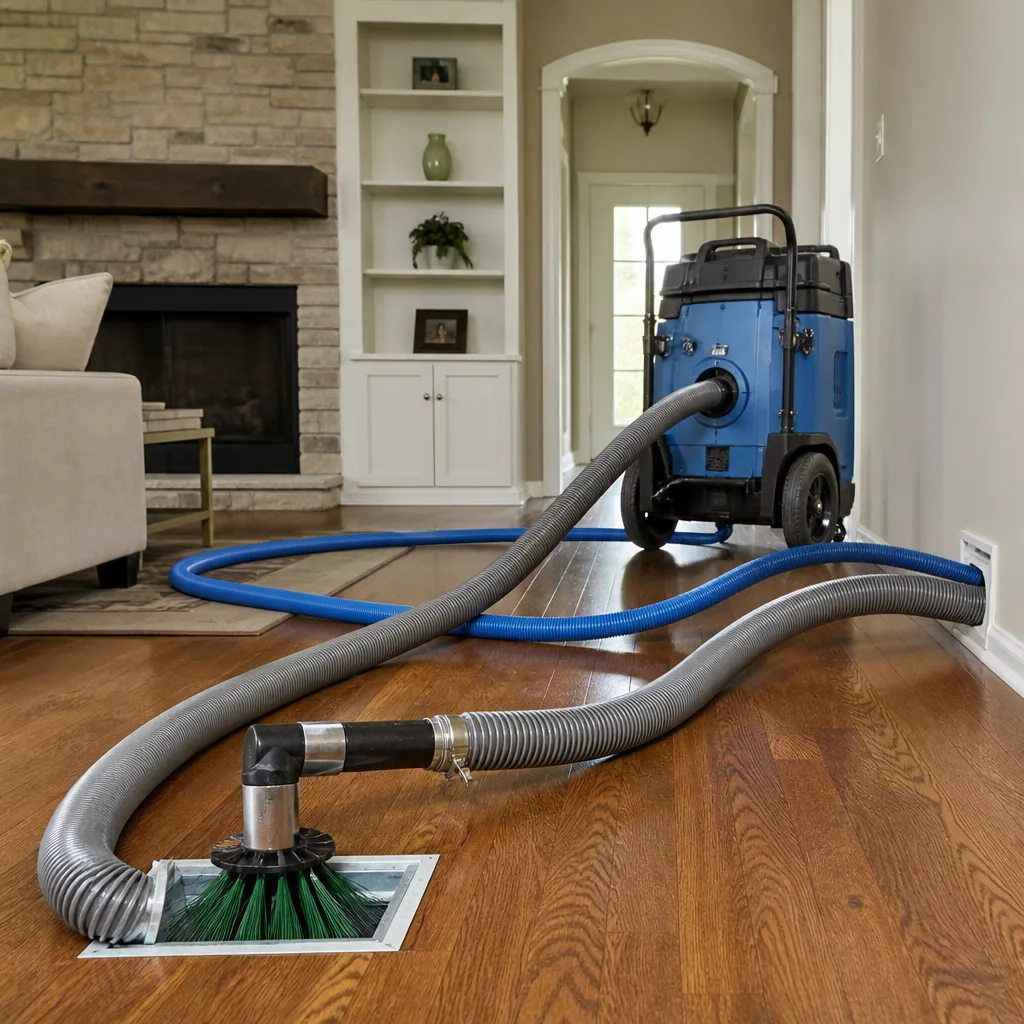 Whole-home duct cleaning
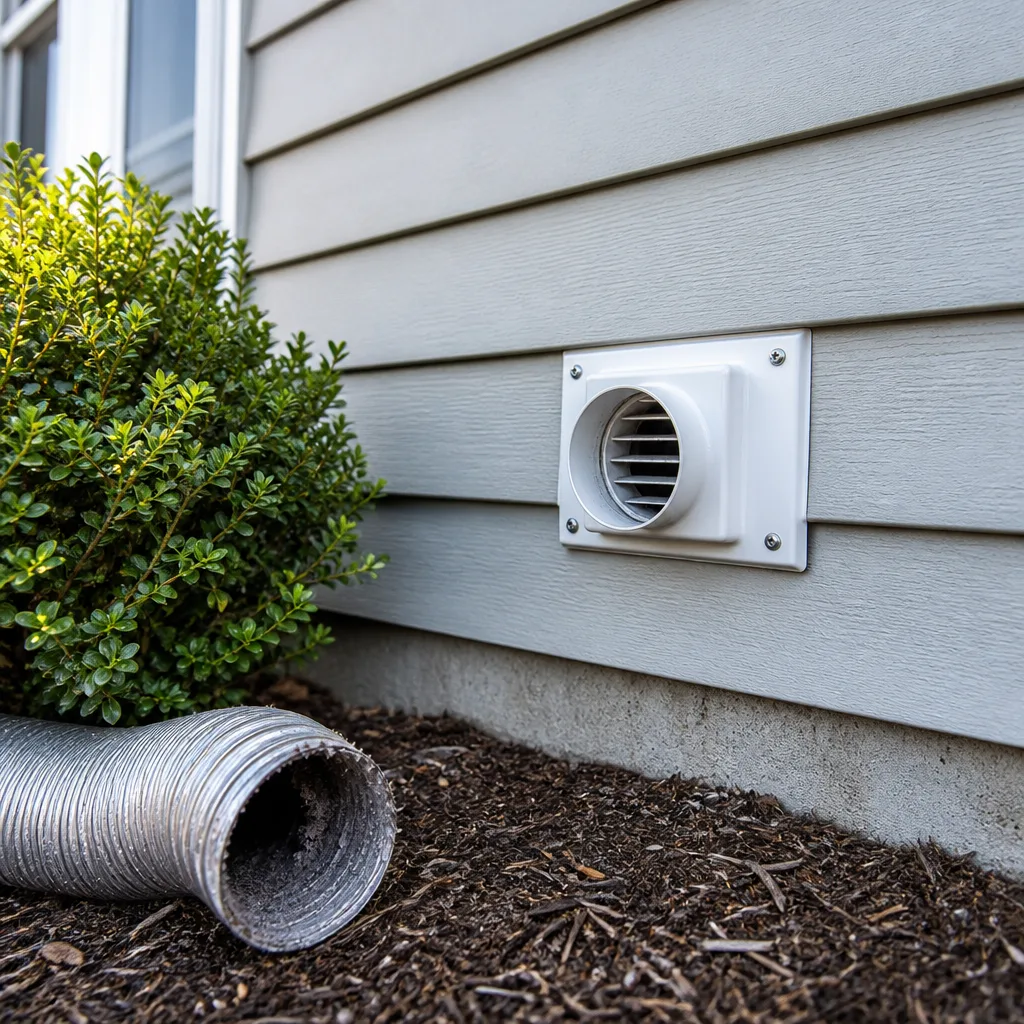 Dryer vent cleaning
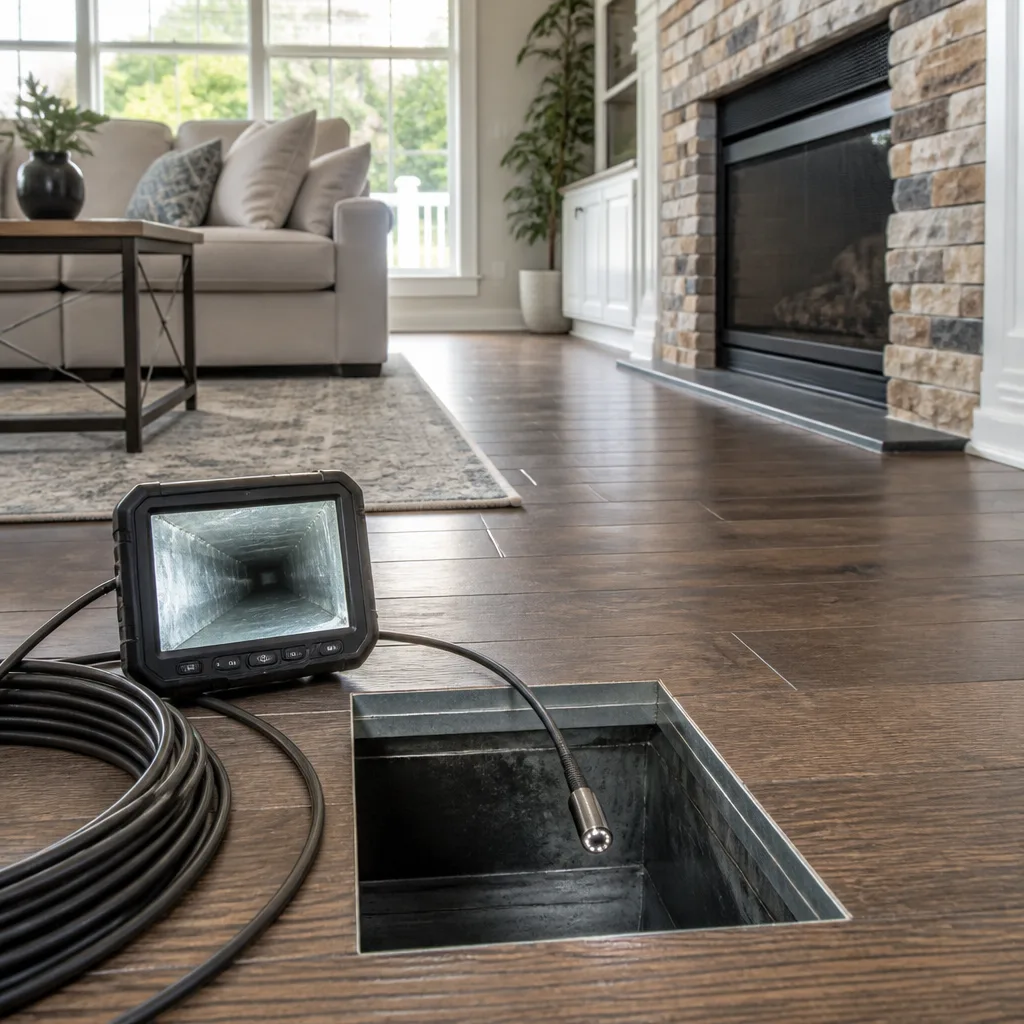 Camera inspection
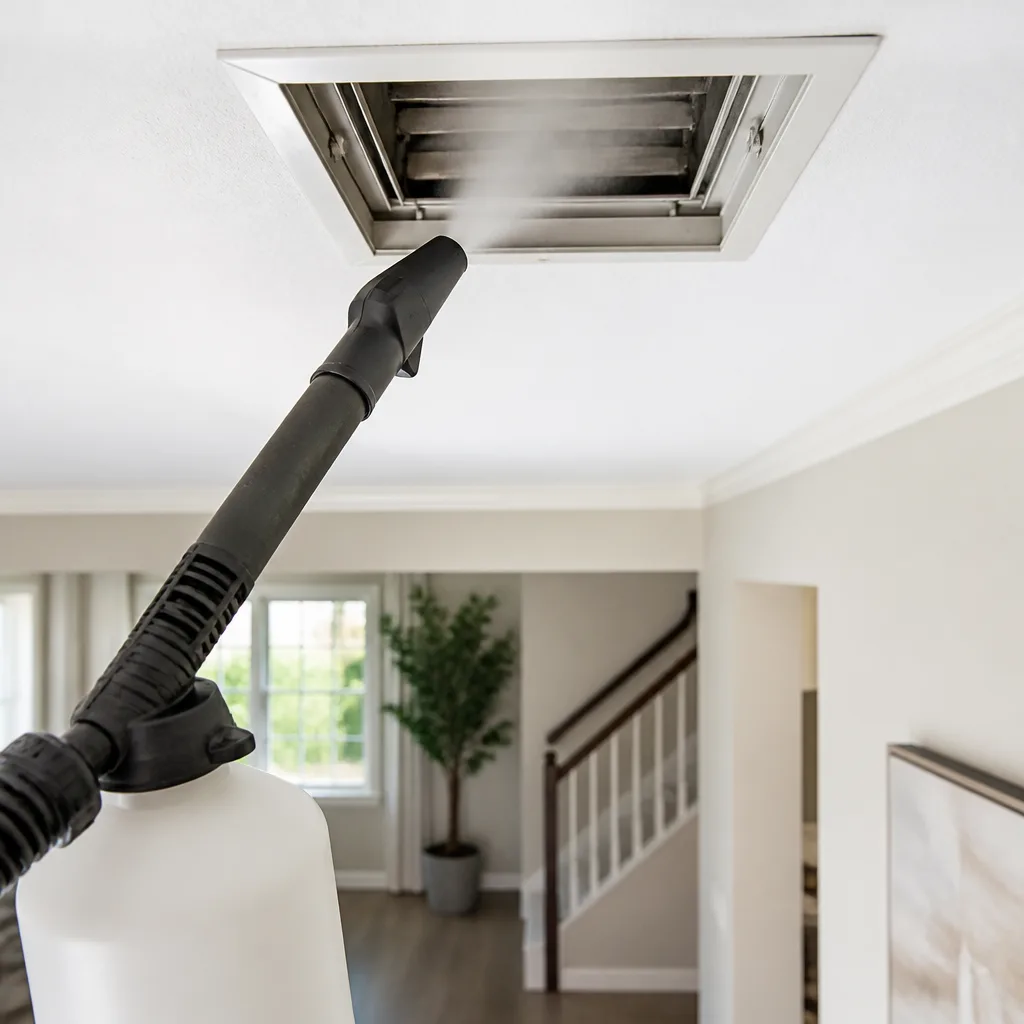 Sanitizing & deodorizing
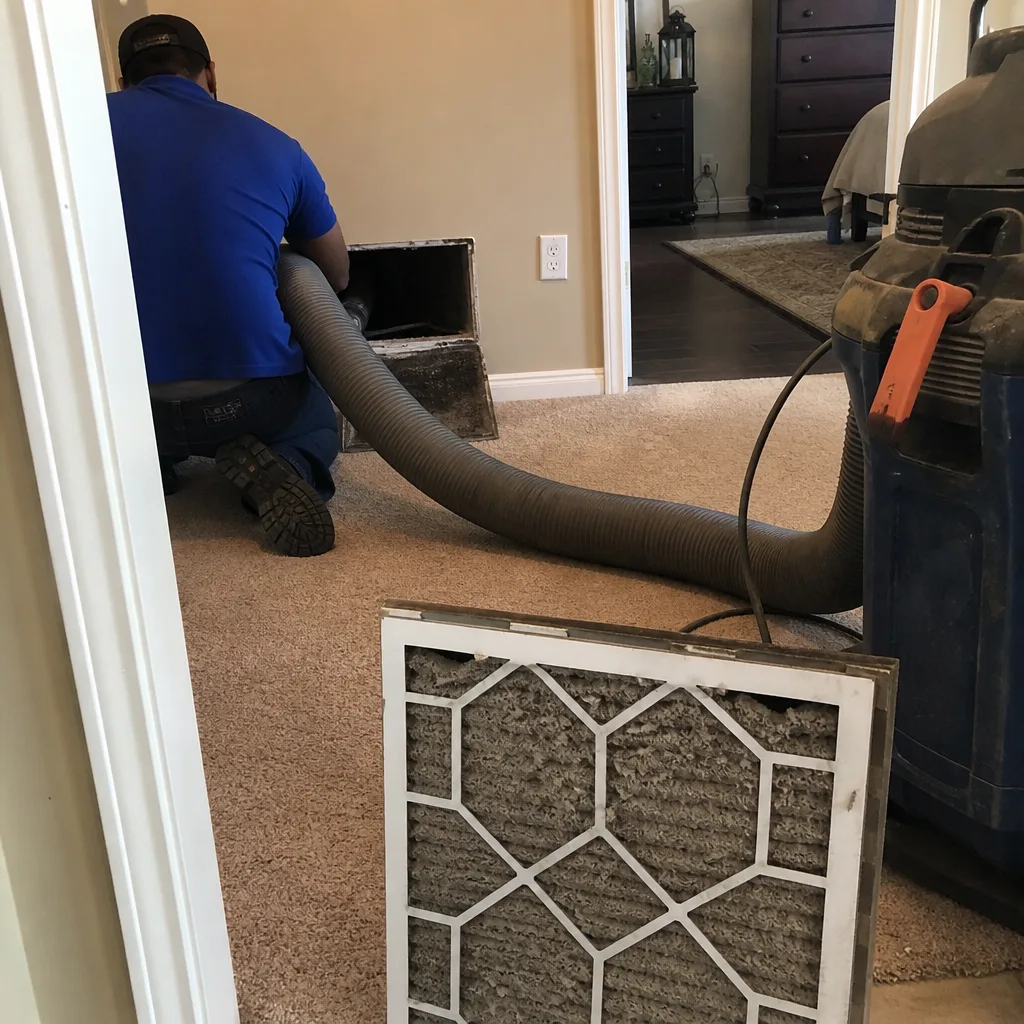
Whole-system duct and dryer vent check with before-and-after photos - you see exactly what came out of your vents
That "$99 whole-house special" is a bait ad - the real number appears once they are in your hallway, or the "clean" is a shop-vac at the register. We photograph the inside of your ducts before and after instead.
Seasonal Air Duct Cleaning Care for Houston: Year-Round Homeowner’s Guide
Here’s the thing most national duct-cleaning guides get wrong about Houston: we don’t have four seasons. We have two long stretches of extreme weather that push your HVAC system hard, and two short windows in between that are the only sensible times to have the ducts opened up. Schedule a cleaning in July and you’re asking a technician to work in an attic that can hit 140°F while your family sits in a house with the system shut down during peak heat. That’s not thoroughness. That’s a compressed job. This guide maps duct maintenance to Houston’s actual weather calendar, so you can plan the work when it’s safe, comfortable, and most effective.
Styles & brands we work with
Quick Answer
The best times to schedule Air Duct Cleaning services in Houston are March through April and October through November, the two transition windows when temperatures are mild and you can afford a few hours of system downtime. Skip the summer months of May through September when your AC runs near-constantly, and use December through February for lighter maintenance like filter swaps and inspection. Most Houston homes run between $350 and $650 for a full duct cleaning, and the job takes 3 to 6 hours depending on home size and contamination level.
Table of Contents
- Houston’s Four HVAC Seasons, Mapped to Real Months
- What Hurricane Season Actually Deposits in Your Ducts
- How Cedar and Oak Pollen Peaks Should Shift Your Cleaning Schedule
- The Humidity Trigger: When Indoor RH Above 60% Justifies an Inspection
- Your Annual Task Calendar: DIY vs. Professional, and What Each Costs
- What a Real Duct Cleaning Involves, and the Equipment That Makes It Work
- Common Mistakes to Avoid
- When to Call a Professional
- Frequently Asked Questions
- The Bottom Line
Houston’s Four HVAC Seasons, Mapped to Real Months
Houston doesn’t run on a national calendar. Our climate creates four distinct HVAC periods, and each one demands a different approach to duct care. Ignore the national guides that say “clean your ducts in spring” without telling you why. Here’s what actually happens in Houston, month by month.
The Spring Pre-Season Window: March to April
This is the prime duct-cleaning window in Houston. By late February, temperatures have usually settled into the 60s and 70s, and your AC hasn’t yet been asked to fight 95-degree heat. Your system can be shut down for four to six hours without anyone in the house noticing. That’s the key variable most homeowners overlook: thorough duct cleaning requires the HVAC to be off for the entire job. In March and April, that’s painless.
We also see accumulated winter debris in Houston ducts during this window: dust from months of heating cycles, dead skin cells, pet dander, and the fine grit that settles when windows stay closed. If you only schedule one cleaning per year, this is the window to book. Homes in older neighborhoods like Meyerland, Timbergrove, and Garden Oaks, where some ductwork dates back decades, tend to need this spring cleaning more than newer construction in master-planned communities.
The Summer Lockdown: May to September
This is the period when you don’t schedule elective duct work. Houston summers regularly push attic temperatures to 130 – 140°F, and your AC unit runs 12 to 16 hours a day just to hold 78 degrees inside. Shutting the system down for a cleaning means the house starts climbing within 30 minutes, and by hour three you’re looking at indoor temperatures in the mid-80s. The technician is working in extreme heat, which slows the job and reduces precision. The cleaning itself becomes a race against the clock.
That doesn’t mean you ignore your ducts all summer. It means you do lighter maintenance: check filters monthly, keep return-air grilles clear of furniture and dust, and listen for changes in airflow. If you notice a musty smell or visible mold growth around vents during summer months, call a professional for an inspection rather than waiting. For a deeper look at what summer does to your system, see our full guide to Air Duct Cleaning in Houston.
The Fall Service Window: October to November
October and November form the second practical window for duct cleaning in Houston. By mid-October, daily highs have usually dropped back into the 70s and low 80s. Your AC cycles less frequently, and you can again afford a few hours of downtime. This window matters for a different reason than spring: hurricane season has just deposited whatever it’s going to deposit, and the months of heavy AC use have pulled a lot of particulate through the system.
Think of October as the “reset” cleaning. You’re clearing out six months of continuous cooling debris before the system shifts to winter heating mode. Homes with pets, homes near construction sites, and homes along major corridors like I-10 or the South Loop tend to accumulate more during the summer, and they benefit most from a fall reset.
The Mild Winter Period: December to February
Houston winters are short and mild, with occasional cold snaps that run the heat for a few days at a time. This is a slower season for HVAC, which actually makes it a workable time for duct cleaning if you missed the fall window, but it’s not ideal. Cold days are unpredictable, and if a front moves through while your system is down, the house gets uncomfortable fast.
The better use of winter in Houston is maintenance: replace filters, inspect for leaks, check insulation around ductwork in the attic, and schedule a professional inspection if you notice uneven heating between rooms. Our Air Duct Cleaning Maintenance Checklist for Houston Homeowners covers every task. Winter is also when cedar pollen starts building in Houston’s air, which brings us to the next section.
What Hurricane Season Actually Deposits in Your Ducts
Hurricane season runs from June through November in Houston, and it affects your ductwork in ways that have nothing to do with water damage. On all but the most catastrophic storm days, the real threat is atmospheric pressure change and the way your home’s HVAC system responds to it.
When a tropical system approaches the Texas coast, barometric pressure drops sharply. Your home is not perfectly sealed, and that pressure differential pulls outside air through every gap, crack, and seam. That outside air carries fine particulate: salt spray from the Gulf carried inland, dust kicked up by storm winds, pollen dislodged from vegetation, and whatever else is in the air column. Your HVAC system, cycling normally, draws that particulate into the return-air stream and deposits it along the walls of your ductwork.
Here’s what we find in Houston ducts after an active storm season:
- Fine marine salt residue on duct walls, especially in homes south of I-10 and closer to Galveston Bay. Salt is hygroscopic, meaning it attracts moisture, which encourages dust adhesion and creates a surface where mold can gain a foothold.
- Higher concentrations of outdoor soot and road dust in homes near major highways. Storm winds resuspend particles that have settled on roadways and construction sites, and the pressure differential pulls them inside.
- Elevated mold spore counts in homes that experienced any interior humidity spike during storm-related power outages, even if no flooding occurred.
The check is straightforward: remove a vent cover in a central hallway and look inside the duct opening with a flashlight. If you see a fine gray or white film on the duct walls, that’s accumulated residue from storm-season air. A professional cleaning with HEPA filtration, like the Abatement Technologies units our technicians use, removes that film rather than simply stirring it up.
How Cedar and Oak Pollen Peaks Should Shift Your Cleaning Schedule
Houston has a pollen calendar that catches a lot of homeowners off guard. Mountain cedar blows in from the Hill Country as early as late December and peaks through January and February. Oak pollen follows in March and April, and in bad years it coats cars, patios, and window screens in a fine yellow-green dust. Both of these have a direct effect on your HVAC system.
Your return-air filter is the first line of defense, and during cedar and oak peaks it loads up faster than at any other time of year. In Houston’s January – April stretch, we recommend checking filters every two to three weeks instead of the usual monthly interval. A loaded filter doesn’t just reduce airflow. It forces your blower motor to work harder, which increases wear, and as the filter medium becomes saturated, some pollen begins passing through and entering the duct system itself.
Here’s the practical question: should you move your spring duct cleaning earlier to account for pollen? Here’s our guidance after years of doing this work in Houston:
- If you’re in a home with residents who have seasonal allergies, schedule your duct cleaning for early to mid-March, before the oak pollen peak hits full force. That clears out cedar pollen that accumulated during January and February, and gives you a clean system before the heaviest allergen load arrives.
- If you’re not allergy-sensitive and you just want clean ducts, late March through April works fine. The oak pollen that enters your system during peak usually gets caught by the filter, and the cleaning will remove what made it through.
- If you have a new high-efficiency filter (MERV 11 or higher) and you replace it regularly, you can be more flexible with timing. Better filtration means less pollen reaching the ducts in the first place.
The filter itself matters more than most people realize. A basic fiberglass filter catches large particles but lets fine pollen through. A pleated filter with a MERV 8 – 11 rating catches most pollen while maintaining reasonable airflow. Products like Guardsman filtration media, which we can install during a duct cleaning, give you a meaningful upgrade without restricting your system.
The Humidity Trigger: When Indoor RH Above 60% Justifies an Inspection
Houston’s humidity is legendary, and most of us accept it as the price of living here. Inside your ductwork, though, sustained humidity is the single biggest predictor of problems. Here’s a simple rule we tell every Houston homeowner: if your indoor relative humidity has been above 60% for two consecutive weeks or more, schedule a duct inspection regardless of what the calendar says.
Why 60%? Because that’s the threshold where mold growth begins to accelerate on organic material. Dust inside ducts is largely organic: dead skin cells, pet dander, pollen, textile fibers. Keep that material dry and it sits there harmlessly for years. Add sustained humidity above 60%, and it becomes a growth medium. Houston regularly sees indoor RH climb into that range during spring and fall, especially in homes that open windows during mild weather instead of running the AC to dehumidify.
The signs that humidity has become a duct problem include:
- A persistent musty or earthy odor from vents when the system runs, especially after a period of inactivity.
- Visible moisture or condensation on vent covers or on the outside of duct runs in the attic.
- Family members experiencing allergy-like symptoms that improve when they leave the house.
- Dark staining or speckling visible inside a vent opening when you shine a flashlight in.
If any of these signs are present, don’t wait for the next convenient season. Get an inspection. The cost of addressing mold growth in ducts early is far lower than the cost of a full remediation later. For a detailed breakdown of what an inspection involves and what you should expect to pay, see our guide on Air Duct Cleaning in Houston.
Your Annual Task Calendar: DIY vs. Professional, and What Each Costs
Here’s a season-by-season breakdown of what to do yourself, what to hand to a professional, and what each interval should cost in the Houston market. Prices are ranges based on typical homes of 1,500 to 3,000 square feet in the Houston area.
March – April: The Spring Cleaning Window
- DIY: Replace your HVAC filter with a fresh pleated filter rated MERV 8 – 11. Cost: $12 – $25. Check all return-air grilles and vacuum any visible dust. Cost: your time.
- Professional: Schedule your annual duct cleaning if you haven’t had one in the past 2 – 3 years, or if you’re allergy-sensitive and want the system clean before oak pollen season peaks. Cost: $350 – $650 for most homes.
- Also consider: A dryer vent cleaning if you haven’t had one in the past year. Lint accumulates fastest during winter months when synthetic fabrics are worn more. Cost: $100 – $175. See our dedicated guide on Dryer Vent Cleaning in Houston.
May – September: The Summer Maintenance Period
- DIY: Check your HVAC filter every 30 days and replace when visibly dirty. In Houston’s summer, that often means every 4 – 6 weeks. Cost: $12 – $25 per filter. Keep return-air grilles free of furniture, rugs, and dust. Listen for changes in airflow or new noises from vents.
- Professional: Only call for duct work in summer if you have a genuine problem: visible mold, a musty smell that won’t go away, or a pest infestation in the ducts. Otherwise, defer cleaning to October. Emergency or problem-driven visits may cost more due to the working conditions.
October – November: The Fall Reset Window
- DIY: Inspect visible duct runs in the attic (if accessible) for signs of moisture, damage, or pest activity. Replace filters again as temperatures drop. Cost: $12 – $25.
- Professional: If you skipped the spring cleaning, do it now. This is your last practical window before winter cold snaps. Post-hurricane-season homes, especially those within 10 miles of Galveston Bay or along major highway corridors, benefit most. Cost: $350 – $650.
- Also consider: A second dryer vent cleaning if your household does heavy laundry volume, or if you notice clothes taking longer to dry than they should. Cost: $100 – $175.
December – February: The Winter Inspection Period
- DIY: This is the season for observation. Walk through the house and note which rooms feel unevenly heated. Check vent covers for visible dust buildup. Watch for new condensation on windows, which signals elevated indoor humidity even in cooler weather. Cost: your time.
- Professional: If you noticed problems during fall, schedule an inspection now. Winter is also a good time for a duct inspection if you’ve just moved into a new home in Houston and don’t know the history of the system. Inspection cost: typically $75 – $150, often credited toward cleaning if you proceed.
What a Real Duct Cleaning Involves, and the Equipment That Makes It Work
If you’ve never watched a proper duct cleaning, here’s what actually happens when a professional does the job right. Understanding the process helps you spot companies that are cutting corners, and it explains why some quotes in Houston are dramatically lower than others.
Step 1: Negative-Air Extraction Setup
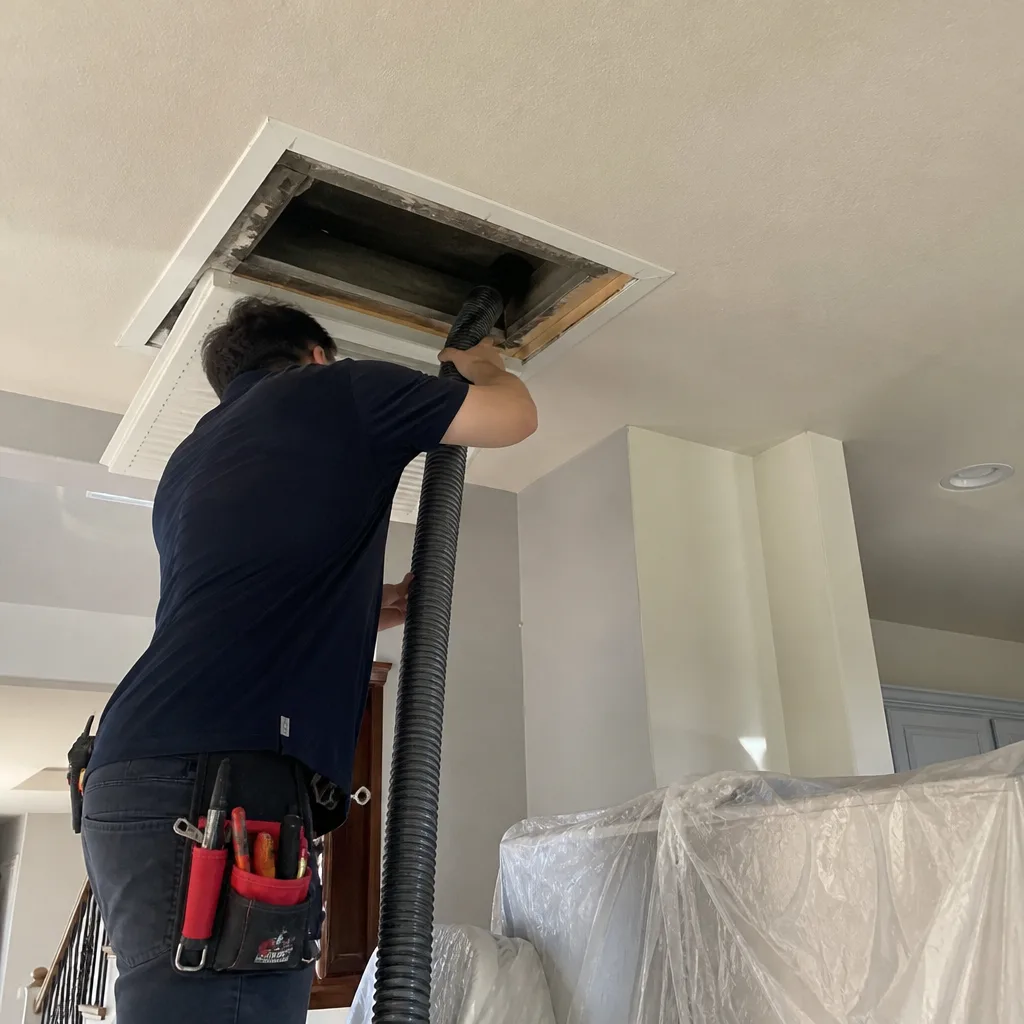
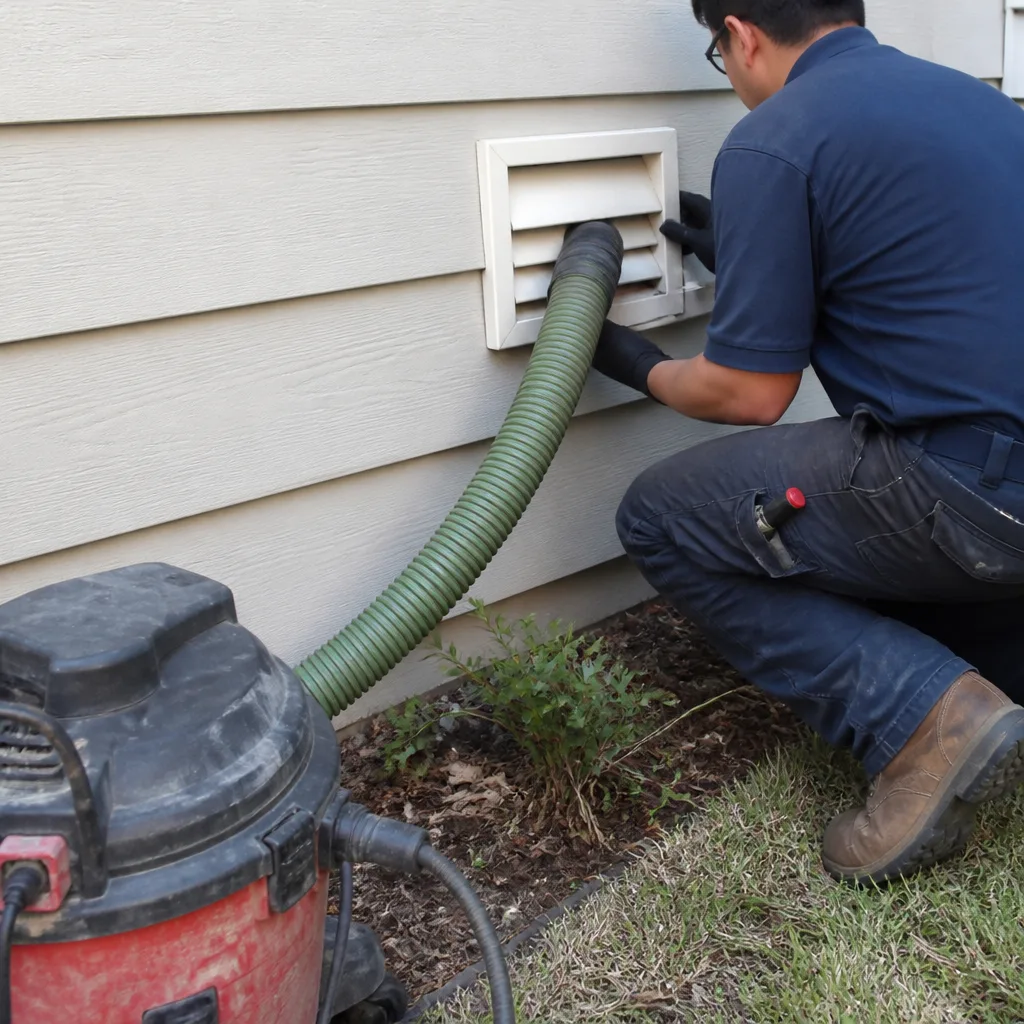
Negative-air extraction means the technician connects a powerful vacuum unit to the duct system, sealing it at the main trunk line. The vacuum pulls air through the entire duct network at high volume, creating negative pressure inside the ducts. In plain English: the system actively sucks air out of the ducts so that anything loosened during cleaning is pulled toward the vacuum, not pushed into your living space. Our Nikro negative-pressure units do this job at a commercial grade. Cheap companies skip this step and just push air around, which moves dust without removing it.
Step 2: Brush Agitation
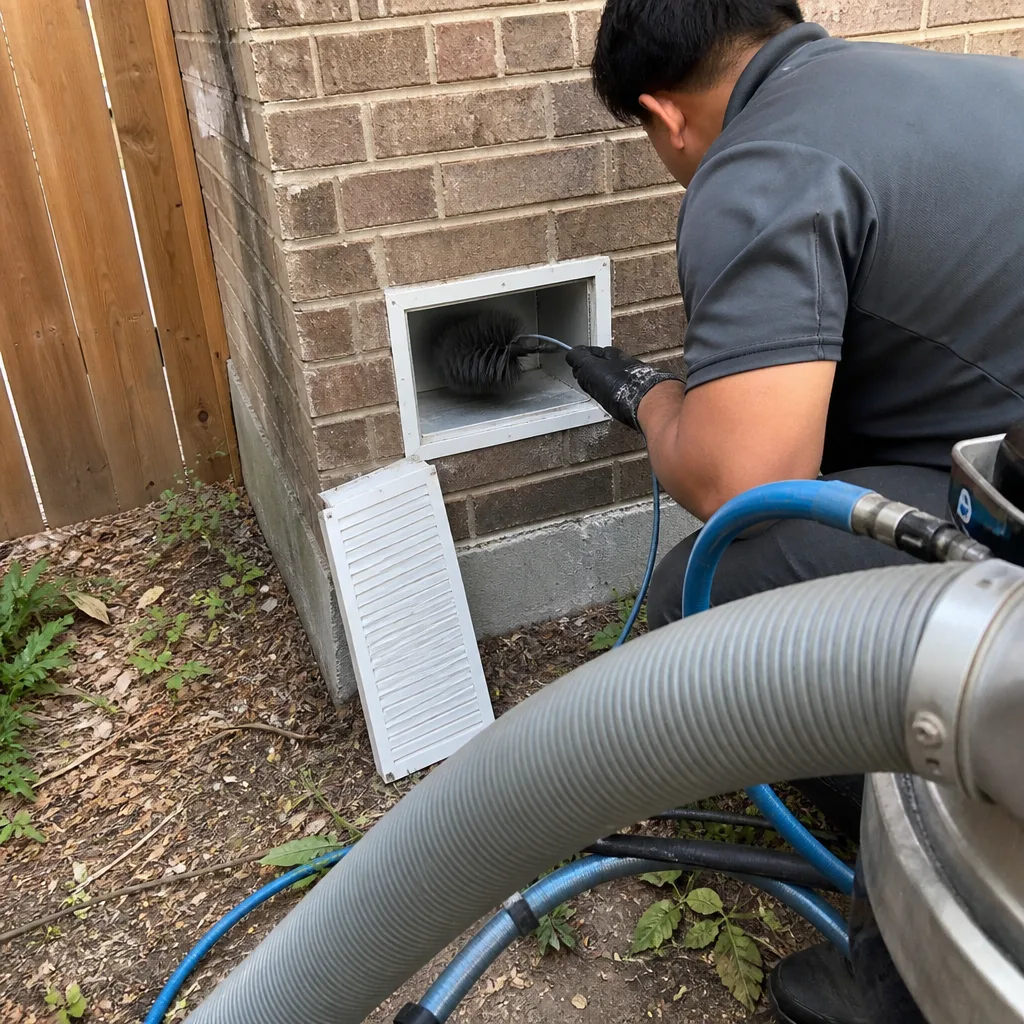
Brush agitation means running a rotating brush through the duct walls to physically dislodge debris that’s stuck to the surface. A Rotobrush rotary brush system spins at high speed inside the duct, breaking loose the film of dust, pollen, and debris that’s been accumulating. The rotating brush is the difference between a cleaning that removes what’s stuck to the walls and one that only removes what’s already loose. Without brush agitation, a “cleaning” is basically a glorified vacuum pass that leaves most of the problem behind.
Step 3: HEPA Filtration
During the entire cleaning process, HEPA filtration captures loosened particles before they can escape into your home. Abatement Technologies HEPA units filter down to 0.3 microns, catching fine dust, mold spores, and allergen particles. Without HEPA filtration, a duct cleaning can actually make your indoor air worse temporarily by stirring up what was previously settled.
Step 4: Final Walkthrough and Documentation
A proper cleaning ends with a visual inspection of the ducts, usually with before-and-after photos. You should be able to see the difference. If a company can’t show you what they did, they probably didn’t do much. Every Kestrel Air Duct Houston job operates under the Kingswell Guarantee, which means you get a written price before we start, a defined arrival window, a clean job site, and a written guarantee on the work. If the work falls short within the guarantee period, we return and make it right at no charge. That’s the Kestrel Air Duct Houston standard, and it’s been our standing policy since 2004.
Common Mistakes to Avoid
- Scheduling a duct cleaning in July or August. Houston’s summer attic temperatures make the job slower and less thorough, and shutting down your AC for hours during peak heat is miserable. There’s a reason the pros schedule their own homes in spring and fall.
- Falling for the $99 whole-house special. In Houston’s market, a genuine whole-house duct cleaning with negative-air extraction, brush agitation, and HEPA filtration costs $350 – $650 for a typical home. A $99 price means either a bait-and-switch at the door, a five-vent “cleaning” that leaves the rest of the system untouched, or a technician working with a shop vac and no real equipment.
- Replacing your filter only when the thermostat reminds you. Houston’s pollen loads in oak season and its summer dust loads both exceed what a standard filter change interval assumes. Check monthly. Replace when dirty. It’s the cheapest insurance you can buy for your ducts.
- Ignoring dryer vent cleaning as part of seasonal home care. Your dryer vent is a duct too, and in Houston’s humid climate, lint buildup absorbs moisture and becomes a fire risk faster than in drier cities. Lint accumulating again within weeks of a “cleaning” usually means the vent was only partially cleared. See our guide on Dryer Vent Cleaning in Houston for what a complete job involves.
- Running your system with the windows open during mild Houston weather. It feels nice, but it’s pulling unfiltered outdoor air into your home and dumping extra particulate into your return-air stream. If you want fresh air, open windows when the system is off.
- Assuming new construction means clean ducts. Houston’s building boom means a lot of homes were built in the last decade, and construction debris in ductwork, drywall dust, sawdust, even fast-food wrappers, is more common than you’d think. A duct inspection is worth doing even in a home that’s only a few years old.
- Waiting until you see a problem to inspect. By the time you see mold on a vent cover or smell odor from the ducts, the problem has usually been growing for months. The humidity trigger in this guide exists so you can catch problems before they become visible.
When to Call a Professional
Some duct work is genuinely safe to handle yourself, and the calendar in this guide covers those tasks. But these situations call for a trained technician with professional equipment:
- Visible mold growth inside ducts or on vent covers, or a persistent musty smell that doesn’t resolve with filter replacement.
- Water damage from a roof leak, plumbing leak, or storm-related intrusion where moisture may have reached the ductwork.
- Rodent or pest activity in the ducts, including droppings, nesting material, or scratching sounds from walls and ceilings.
- Construction or renovation debris in a new or recently remodeled home.
- Sudden unexplained spikes in energy bills combined with reduced airflow, which can indicate duct leakage or severe buildup restricting the system.
- Persistent allergy symptoms at home that improve away from home, especially if you’ve already upgraded your filters and cleaned visible surfaces.
Kestrel Air Duct Houston offers free estimates in Houston. Call (254) 347-2738 and a live person will answer, any time of day. No voicemail maze, no call center script. A real conversation, a written price before any work begins, and a 365-Day Done Right Promise in writing on every job.
Frequently Asked Questions
In Houston, a full air duct cleaning for a typical 1,500 to 3,000 square foot home runs between $350 and $650, depending on the number of vents, the level of contamination, and the age and condition of the system. That price should include negative-air extraction, brush agitation of all accessible duct runs, HEPA filtration during the job, and a final walkthrough. A price significantly below that range almost always means the job is being cut short somewhere. Call (254) 347-2738 for an exact quote on your home, and we’ll put the written price in your hands before any work starts.
Cheap duct cleaning quotes usually reflect cheaper methods: no negative-air extraction, no brush agitation, no HEPA filtration, and sometimes nothing more than a shop vac waved at your vent openings. A real cleaning uses commercial-grade equipment like Rotobrush rotary brush systems and Nikro negative-pressure units, and it takes 3 to 6 hours for a typical Houston home. You’re paying for the time, the equipment, and the guarantee. Kestrel Air Duct Houston has been operating under the same written standard, the Kingswell Guarantee, since 2004. We’ll never change the price at the door.
Ask for before-and-after photos of your duct interiors. Any company doing legitimate work should be able to show you the difference and will typically document it as standard practice. During the cleaning, you should see negative-air extraction equipment connected to the duct system, a rotating brush actually moving through the duct runs, and HEPA filtration running the entire time. If a technician spends 45 minutes in your home and says the job is done, it wasn’t done.
In Houston, we recommend a full duct cleaning every 2 to 3 years for most homes, with adjustments based on specific factors: homes with pets every 1 to 2 years, homes with allergy-sensitive residents every 1 to 2 years, homes near major construction or high-traffic corridors every 1 to 2 years, and homes with residents who smoke every 1 to 2 years. If you’ve had water damage or visible mold, clean immediately and then establish a regular schedule afterward. Homes in Houston’s older neighborhoods with decades-old ductwork often need more frequent attention than newer construction. Call (254) 347-2738 to discuss your specific situation.
Yes, generally. Houston’s sustained high humidity means the dust and organic material in your ducts absorbs moisture more readily, which accelerates the conditions that support mold growth and dust adhesion. If your indoor relative humidity has been above 60% for two consecutive weeks or more, schedule a duct inspection even if you’re not due for a cleaning on the calendar. The humidity trigger is a Houston-specific reason to be more attentive to duct condition than homeowners in, say, Dallas or Phoenix would need to be.
You can clean vent covers, return-air grilles, and the first few inches of visible duct opening yourself, and you should do that regularly. But the interior of your duct runs, especially in the attic spaces where Houston homes keep their ductwork, requires professional equipment to clean properly. A household vacuum doesn’t generate the negative pressure needed to pull debris from deep in the system, and without HEPA filtration, a DIY attempt can actually push fine dust and allergens into your living space. The Rotobrush, Nikro, and Abatement Technologies equipment we use exists specifically because household tools can’t do this job.
The Bottom Line
Houston’s weather doesn’t run on a national calendar, and your duct maintenance shouldn’t either. For more guides & resources tailored to local conditions, explore our blog. Schedule your professional cleanings in the March – April and October – November windows, when your system can be safely down and the work will be done thoroughly. Do monthly filter checks every month, not just when pollen counts spike. Watch for the humidity trigger and act on it early. And when you do hire a professional, hold them to a standard that includes negative-air extraction, brush agitation, HEPA filtration, and a written price before the work starts. That’s what the Kingswell Guarantee has meant since 2004, and it’s how we’ve done every job in Houston since then.
Written by Dale Whitmore, Owner at Kestrel Air Duct Houston, serving Houston since 2004.
See the difference
 Before
 After
After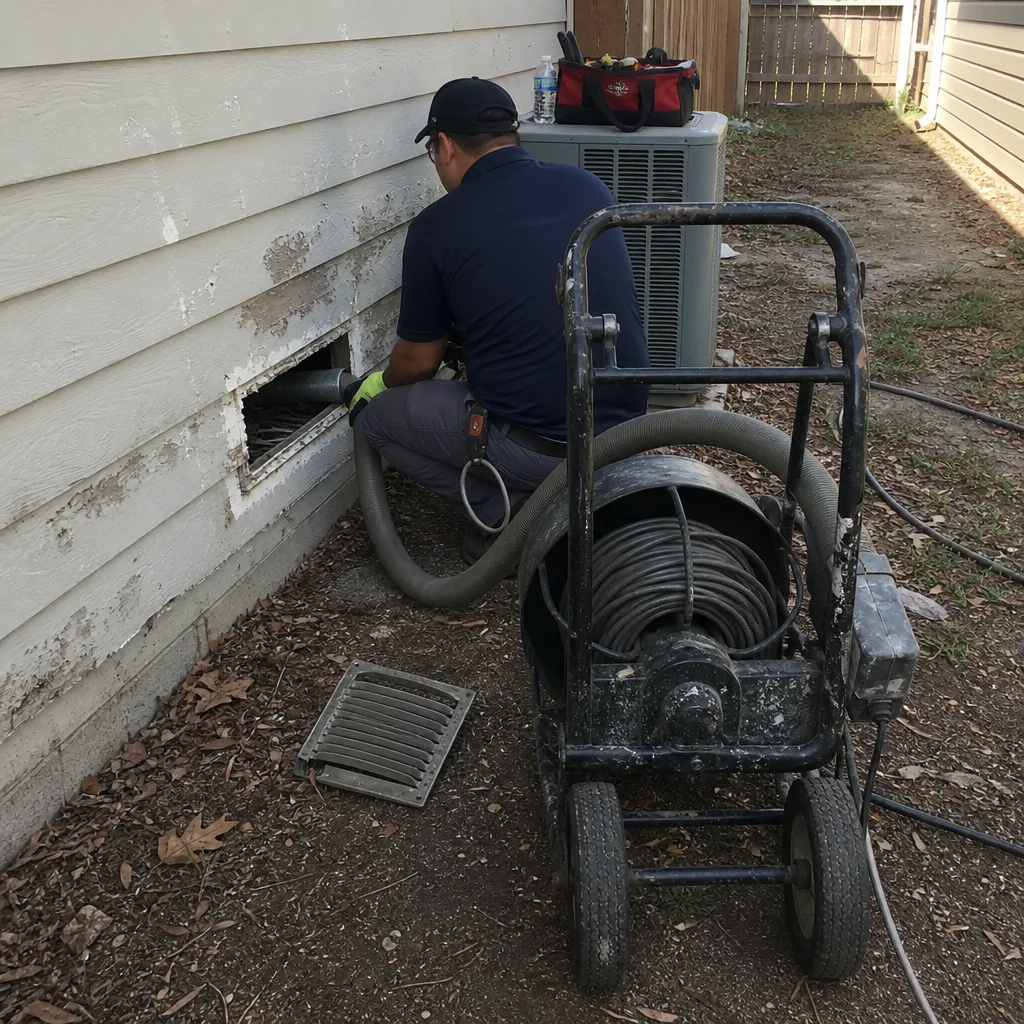 Before
 After
After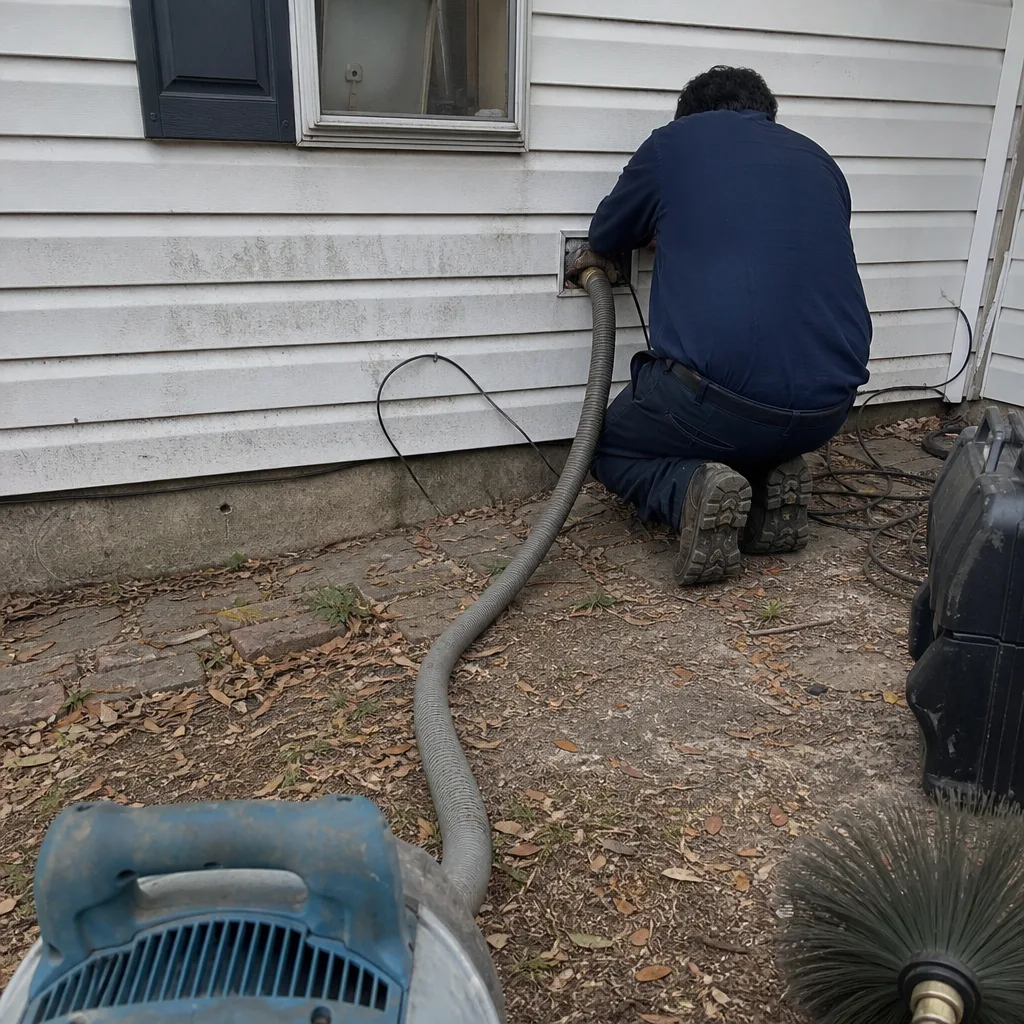 Before
 After
After