
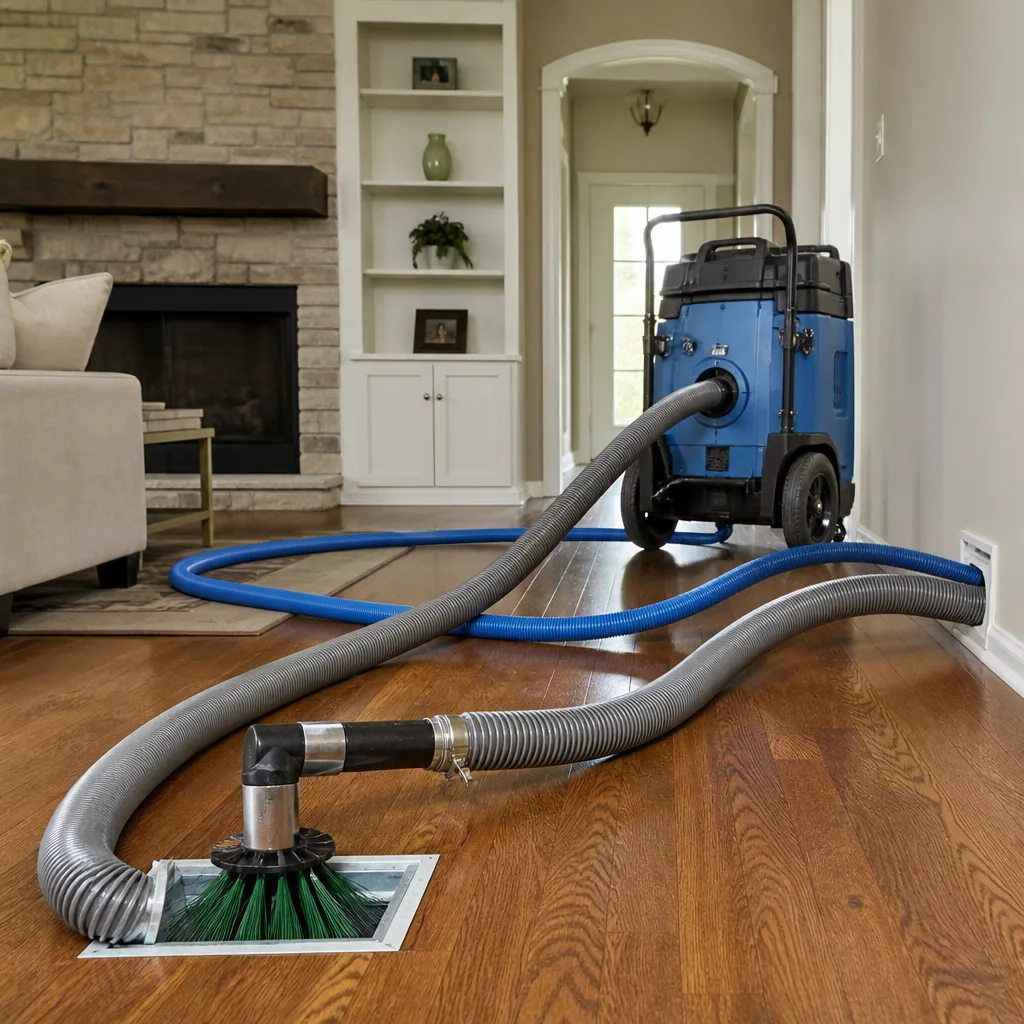
 Whole-home duct cleaning
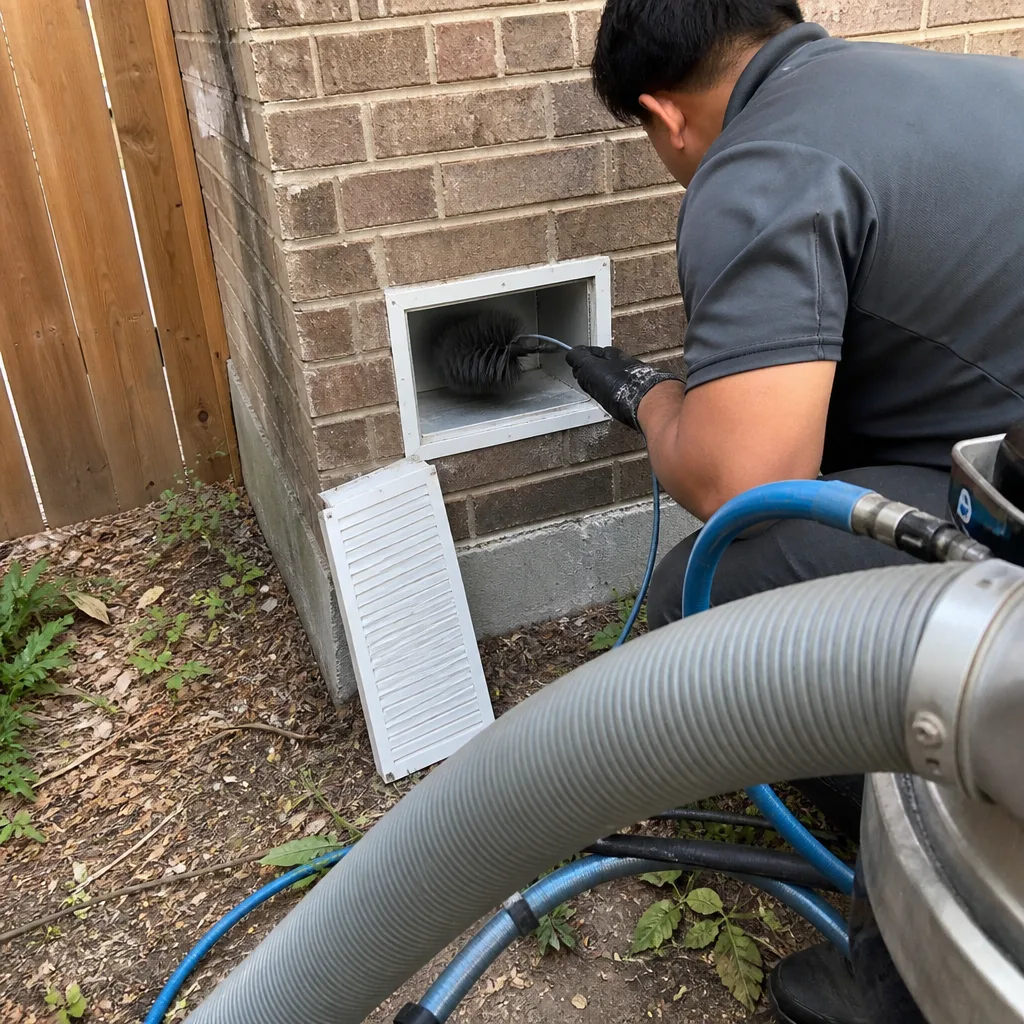
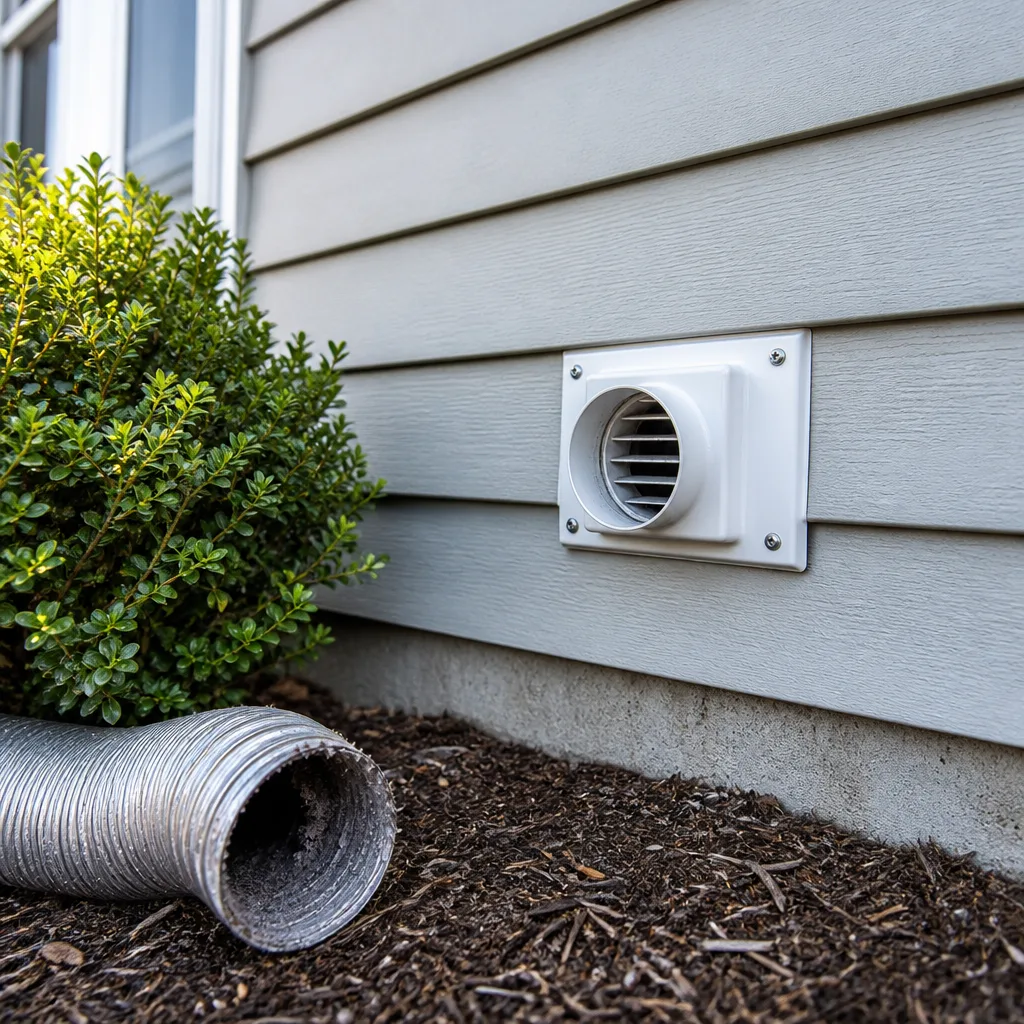 Dryer vent cleaning
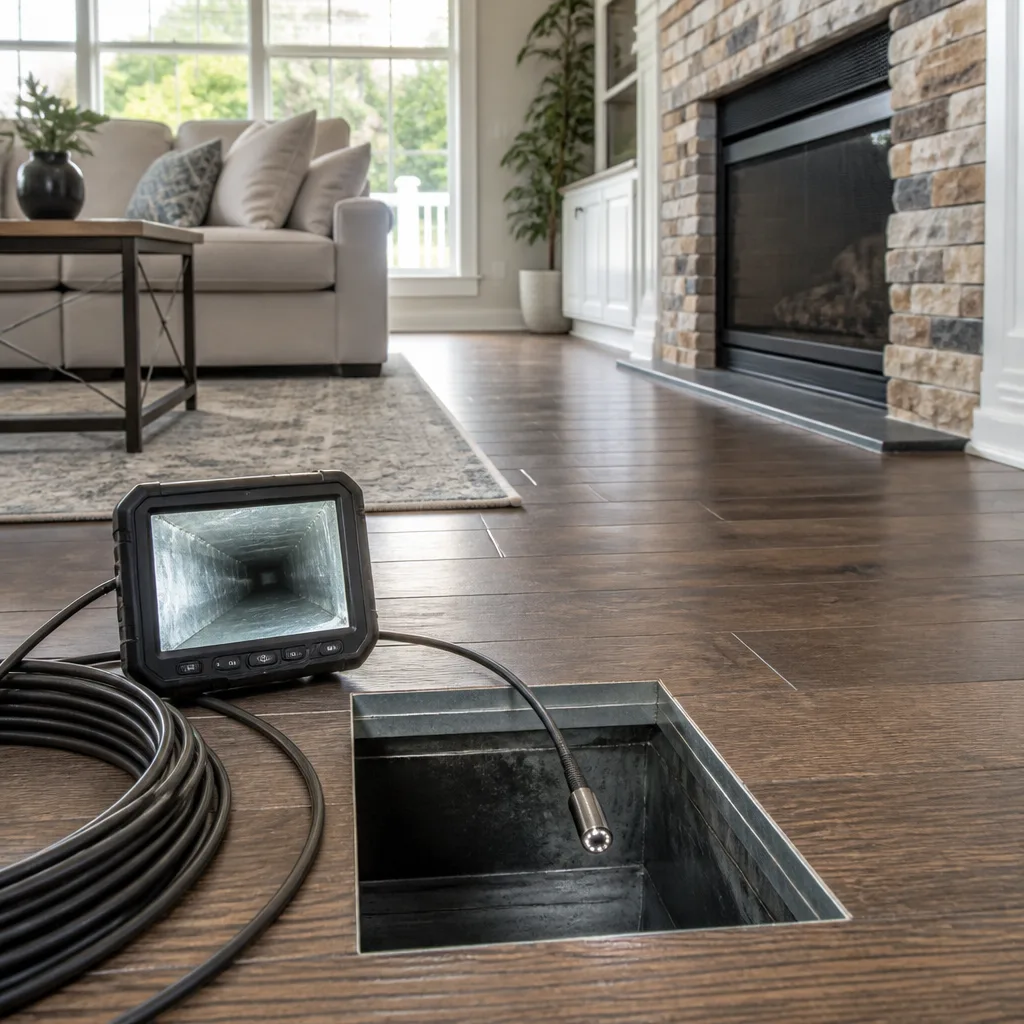 Camera inspection
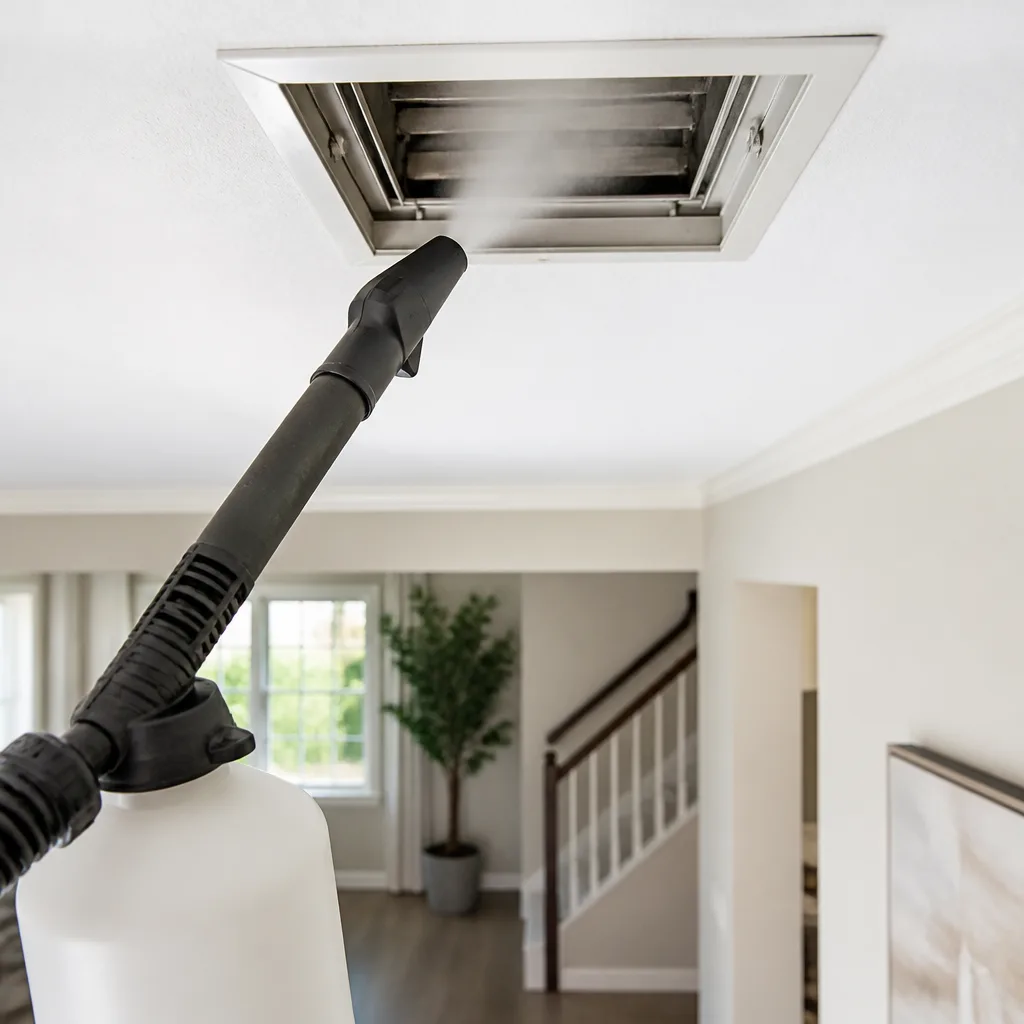 Sanitizing & deodorizing
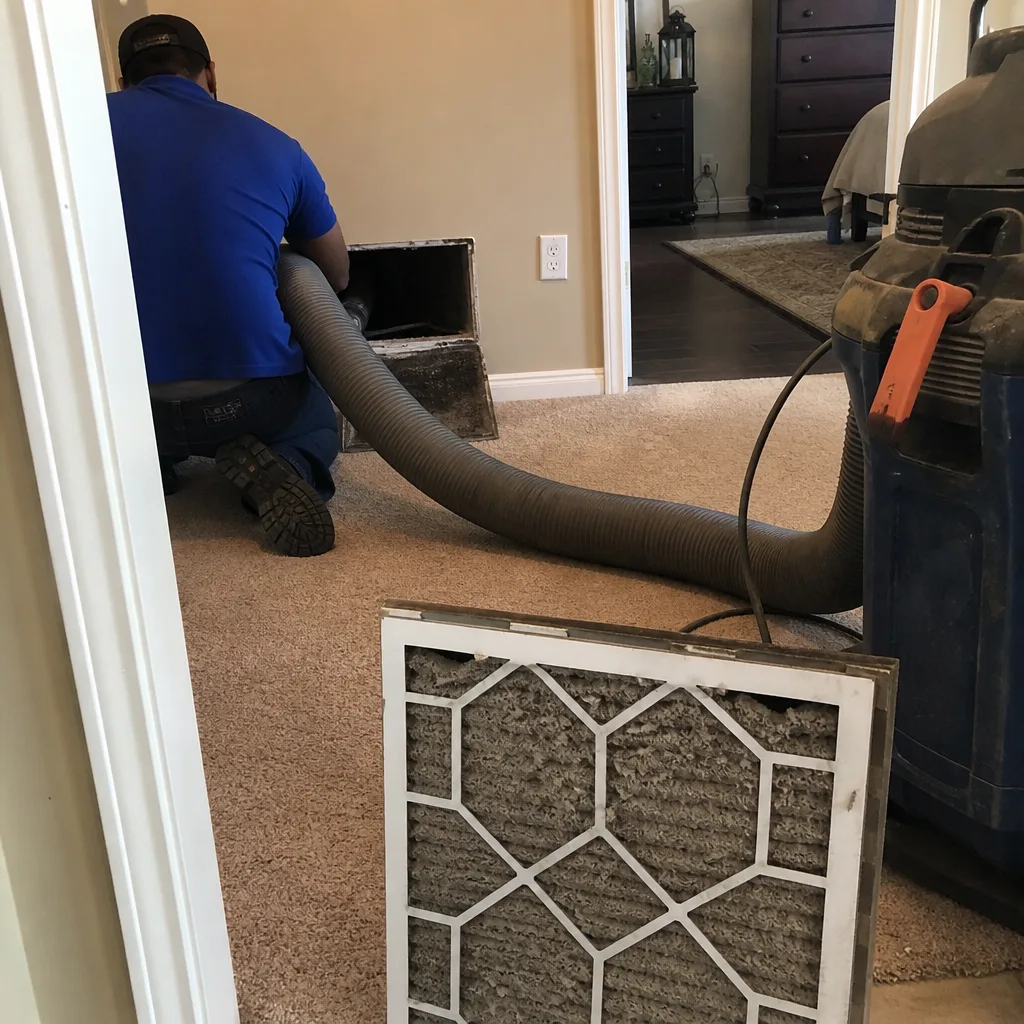
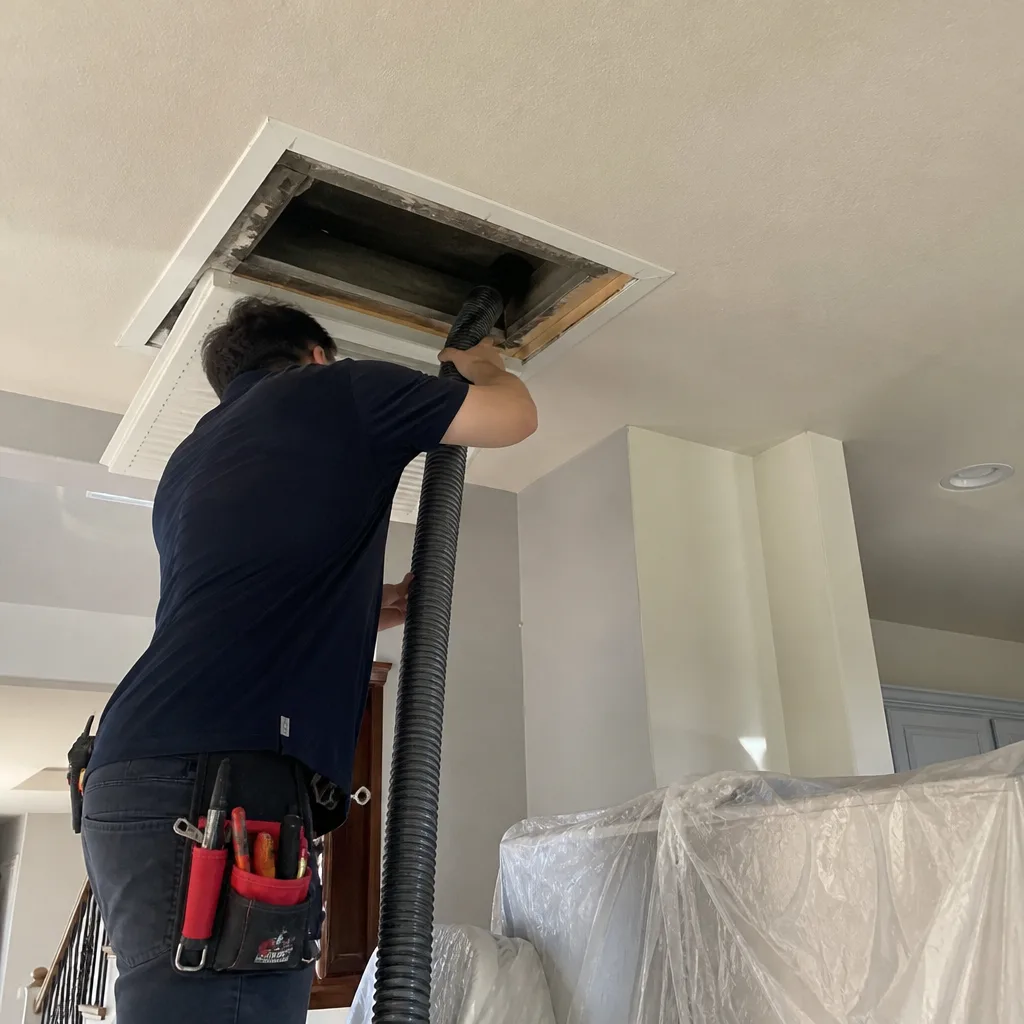
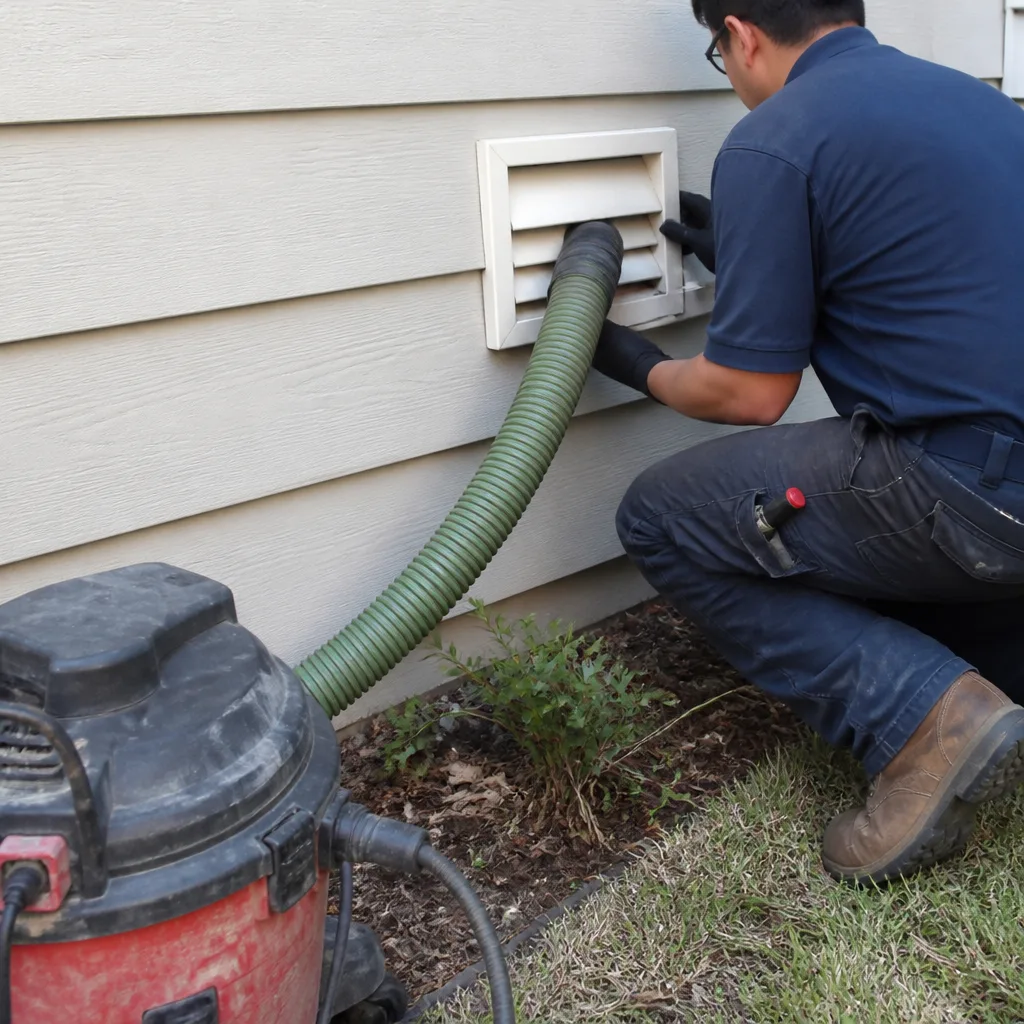
Whole-system duct and dryer vent check with before-and-after photos - you see exactly what came out of your vents
That "$99 whole-house special" is a bait ad - the real number appears once they are in your hallway, or the "clean" is a shop-vac at the register. We photograph the inside of your ducts before and after instead.
Honeywell Coil Cleaning: The Houston Owner’s Guide
If you’ve got a Honeywell system and the coil is fouled, we can clean it and get your air moving properly again. Most Honeywell coil cleaning jobs in Houston run between $180 and $420, depending on access and how badly the coil is caked, and the work is usually done in a single visit. You’ll know it’s time when the system runs longer than it used to, the air coming out feels lukewarm at best, or your energy bill has crept up for no obvious reason.
We’re Kestrel Air Duct Houston, and we’re an independent service provider, not a Honeywell dealer or affiliate. That matters because we’re not tied to any manufacturer’s script. What we stock, what we recommend, and what we charge reflects what actually works in Houston’s climate, not what a corporate program tells us to push. Dale Whitmore built this crew on negative-air extraction and rotary brush agitation, and the coil cleaning work follows the same logic: pull the grime out, don’t just smear it around.
Which Honeywell Models This Applies To
Most Honeywell coils we see in Houston fall into two camps: the slab coils in split systems and the A-coils tucked into air handlers and furnace cabinets. The slab coils are simpler and easier to reach, usually found in older Honeywell-matched systems from the early 2000s. The A-coils are the newer configuration, shaped like an inverted V, and they trap more Houston humidity because they present more surface area to the airstream. Both respond to the same cleaning process, but the A-coils take longer because the interior face of the V is hard to reach without pulling panels.
Compatibility gotcha worth knowing: Honeywell does not make the coil itself in most residential setups. What you have is a Honeywell thermostat or zone control paired with a coil from a manufacturer like Carrier, Trane, or Lennox. The coil has its own model number, usually stamped on a plate near the refrigerant lines or inside the access panel. If you can’t find it, measure the coil face. Most Houston homes run a 17.5-inch-wide coil cabinet or a 21-inch, and that measurement narrows things down faster than any model guess. We stock cleaning supplies and replacement access panels for the common sizes, and we can match replacement coils from Lennox, Trane, and Carrier when the old one is too far gone to clean.
Styles & brands we work with
Signs Your Honeywell Coil Cleaning Is Overdue
- The system runs constantly but the house never reaches the set temperature. A fouled coil can’t transfer heat efficiently. The compressor works harder, the runtime stretches, and the house still feels sticky by late afternoon. In Houston, a coil that’s even partially blocked by grime and mold film loses a measurable chunk of its cooling capacity.
- You can see fuzz or dark patches on the coil fins when you shine a flashlight through the access panel. That’s not just dust. Houston’s humidity turns ordinary lint into a damp mat that clings to the fins and breeds the kind of biofilm that restricts airflow further.
- Your drain pan overflows or the drip line clogs more than once a season. When the coil sheds debris, that debris ends up in the condensate pan and the drain line. If you’re clearing a clog every few months, the coil upstream is the source.
- The air smells musty when the blower first kicks on. That’s microbial growth on the coil surface, which thrives in Houston’s long humid season. The smell is strongest right at startup because the coil is laden with moisture and the blower pushes air across it before the drying effect takes hold.
- Your summer electric bill jumps year over year with no change in usage habits. A dirty coil makes the compressor draw more current to hit the same cooling target. It’s not a small penalty; we’ve measured enough fouled coils across Houston to know it’s real money.
See the difference
 Before
 After
After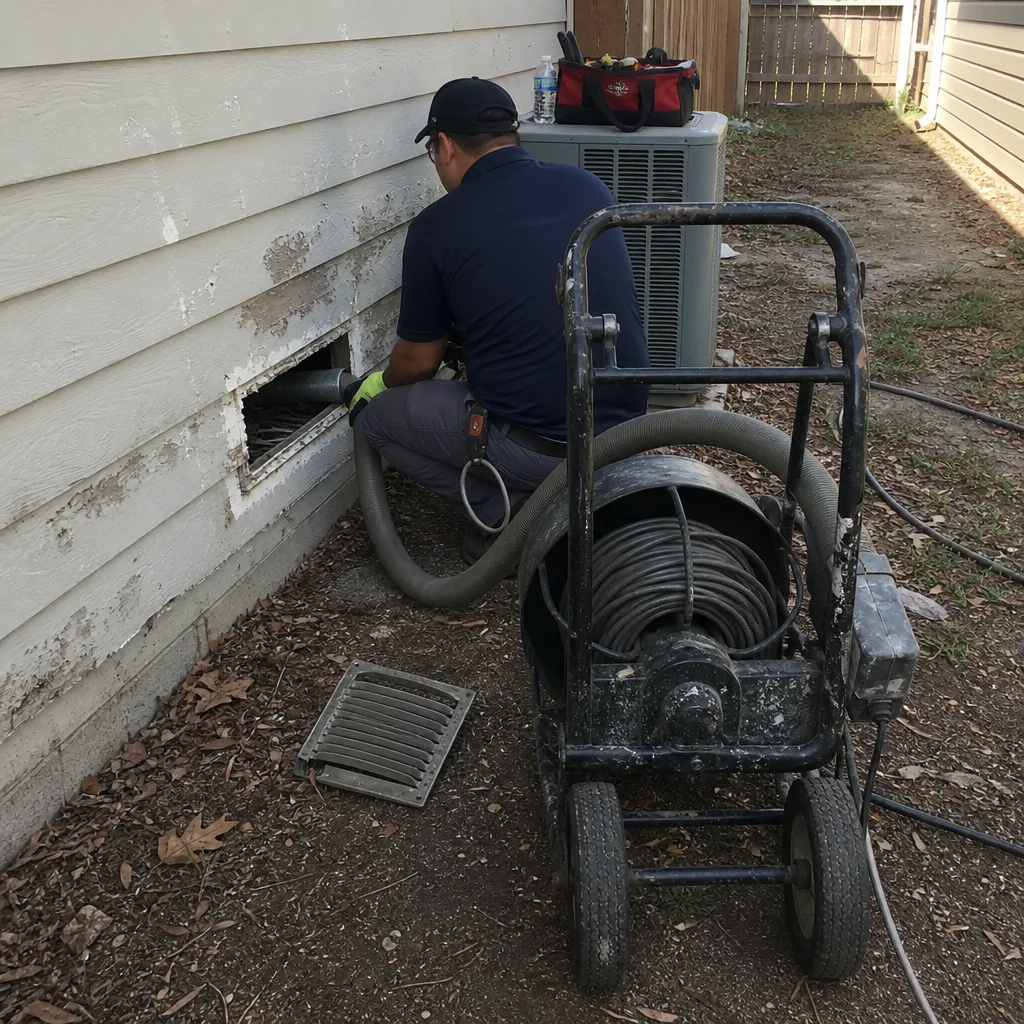 Before
 After
After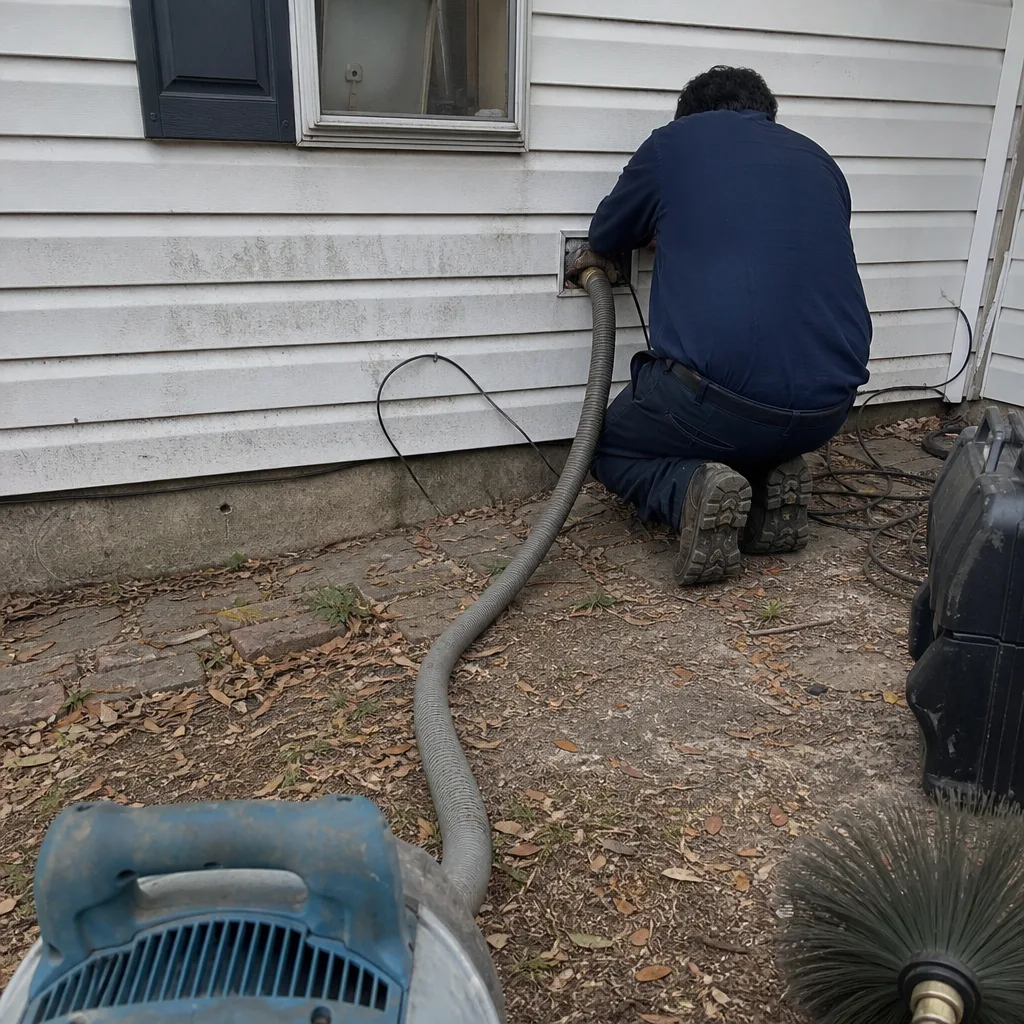 Before
 After
AfterReplacement Cost & What’s Included
Here’s the honest math for Honeywell coil cleaning in Houston. A straightforward slab coil on a single-story home with easy access runs $180 to $260. An A-coil in a cramped attic or closet, where we have to pull the access panel, set up containment, and work around plenum obstructions, runs $300 to $420. The spread comes down to three things: how hard the coil is to reach, how thick the buildup is, and whether the coil needs to be pulled for a full bath or can be cleaned in place.
What’s included: the chemical cleaning solution rated for aluminum fins, the rinse, the drain pan treatment, and a coil inspection afterward. We also check the refrigerant lines for signs of wear while we’re in there, because a coil cleaning is the best time to catch a small leak before it becomes a Houston August emergency. The price we quote is the price you pay. Written, flat, before we touch anything. That’s the Kingswell Way, and it is not negotiable or situational.
DIY or Call Us?
There’s a version of this job a careful homeowner can do, and there’s a version that goes wrong fast. You can change the filter, wipe the accessible face of the coil with a soft brush, and pour a cup of vinegar down the condensate line once a month. Those keep a clean coil clean. What you should not do is pull the coil, spray caustic cleaners into the fins, or try to bend the aluminum fins back with a pocket knife. Aluminum fins are fragile, and a bent fin block is a permanent airflow restriction. Harsh chemicals eat pinholes in the metal, and a pinhole in a coil means refrigerant loss, which turns a $200 cleaning into a $2,000 replacement. If the buildup is beyond what a filter change and a vinegar rinse can fix, call us at (254) 347-2738. We’ll tell you straight whether it’s a clean or a replace, and the estimate is free.
FAQs
In Houston’s climate, expect 12 to 18 months on a properly cleaned coil before noticeable buildup returns. Homes with pets, lots of carpet, or nearby construction will see faster re-fouling, and we’ll tell you honestly if your system is one of those. Call (254) 347-2738 and we can look at your filter change log to estimate your next cleaning window.
If the coil fins are bent but the tubing is intact, a careful fin comb can restore most of the airflow, and we carry fin combs on every truck. If the coil is corroded, leaking refrigerant, or the fins are disintegrating, repair is not economical and replacement is the straight answer. We’ll show you photos of your coil before we recommend spending a dime.
Most Houston homes take 90 minutes to two and a half hours for a full coil cleaning, depending on access and buildup. Slab coils are typically under two hours. A-coils in tight attic spaces run closer to three. We arrive in the window we gave you, and Dale’s crew leaves the space cleaner than we found it.
Yes. Our trucks carry the cleaning solutions, fin combs, drain pan treatments, and access hardware for the common Honeywell-matched coil sizes in Houston. For replacement coils, we source from Lennox, Trane, and Carrier through our supply partners, and we’ll quote the replacement cost with the same flat-pricing rule: one written price before any work starts.
If your Honeywell system is running hot, short-cycling, or just not cooling like it did last summer, call Kestrel Air Duct Houston at (254) 347-2738. We’ll give you a written price before we touch anything, clean the coil properly, and stand behind the work with the 365-Day Done Right Promise. Clean ducts, straight price, no guesswork.
Written by Dale Whitmore, Owner, Kestrel Air Duct Houston at Kestrel Air Duct Houston, serving Houston and nearby areas.