
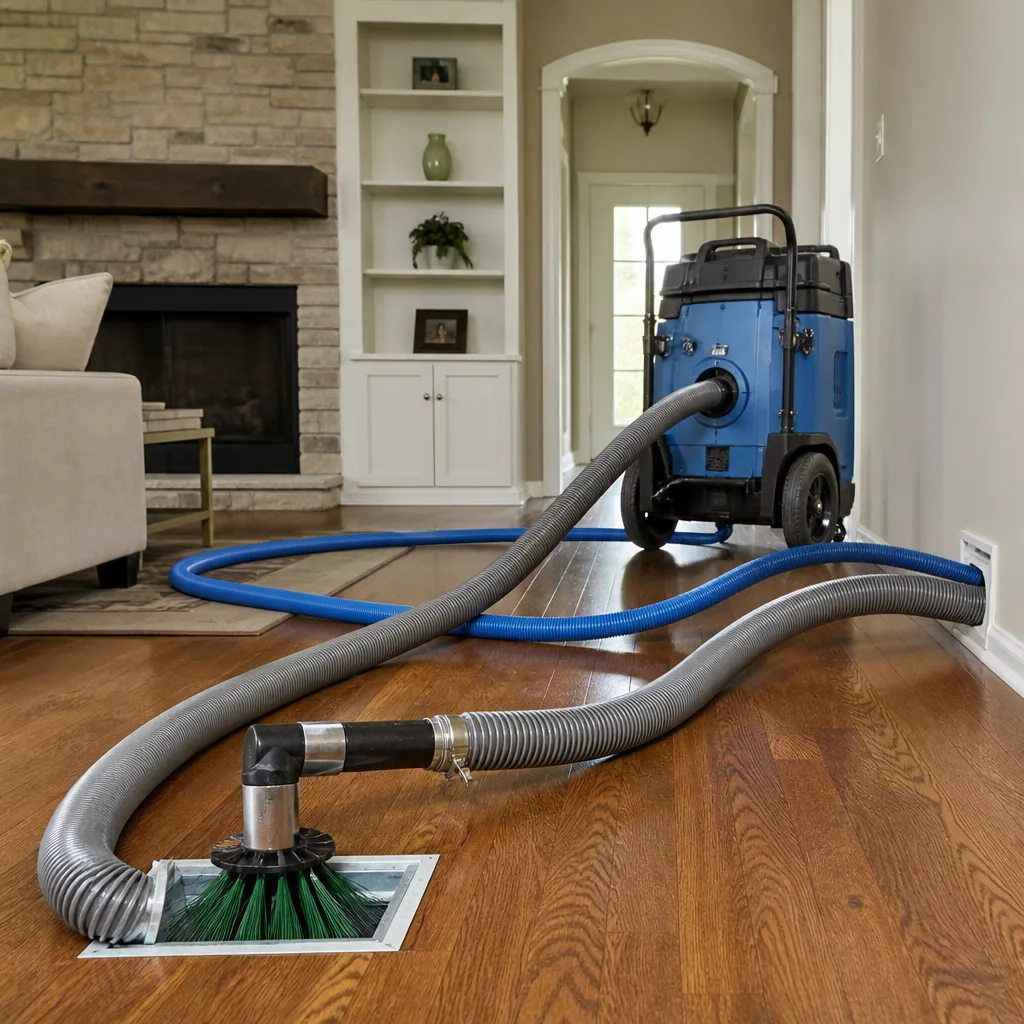
 Whole-home duct cleaning
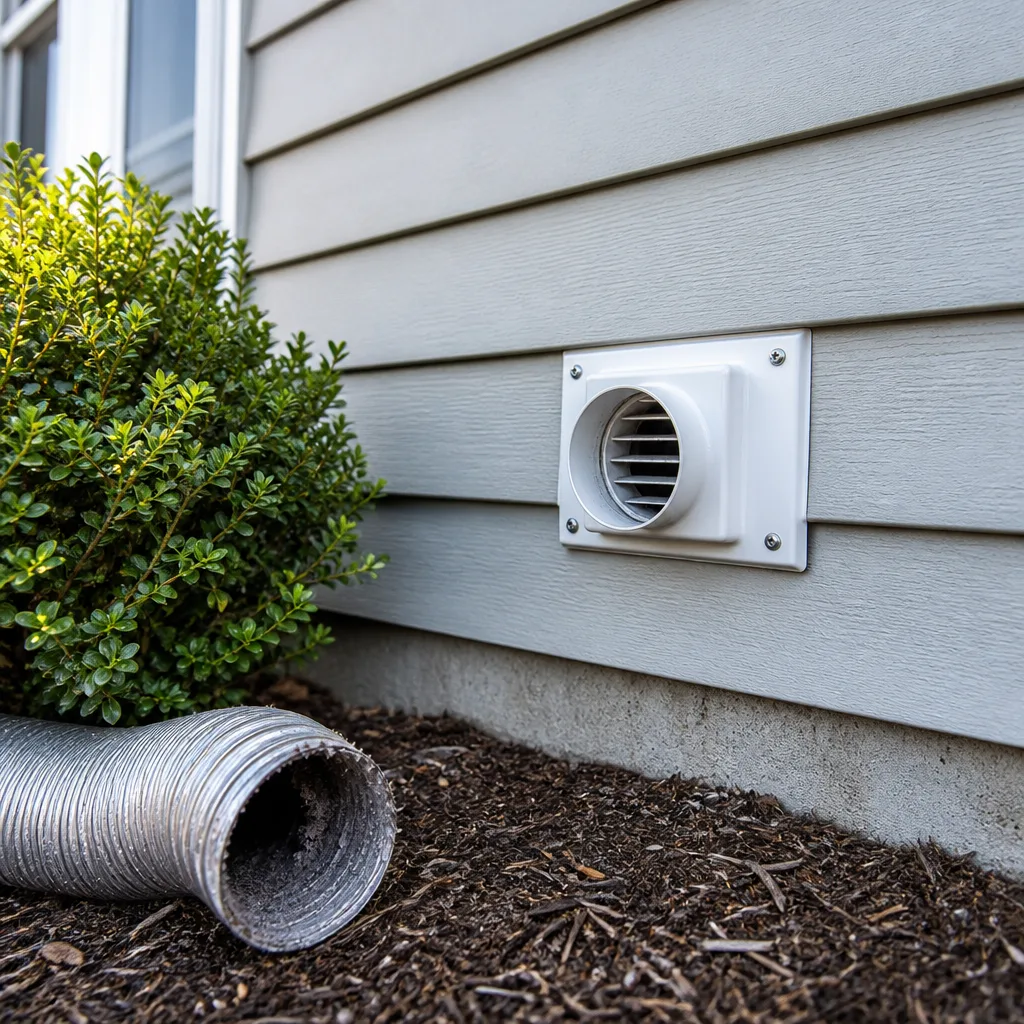 Dryer vent cleaning
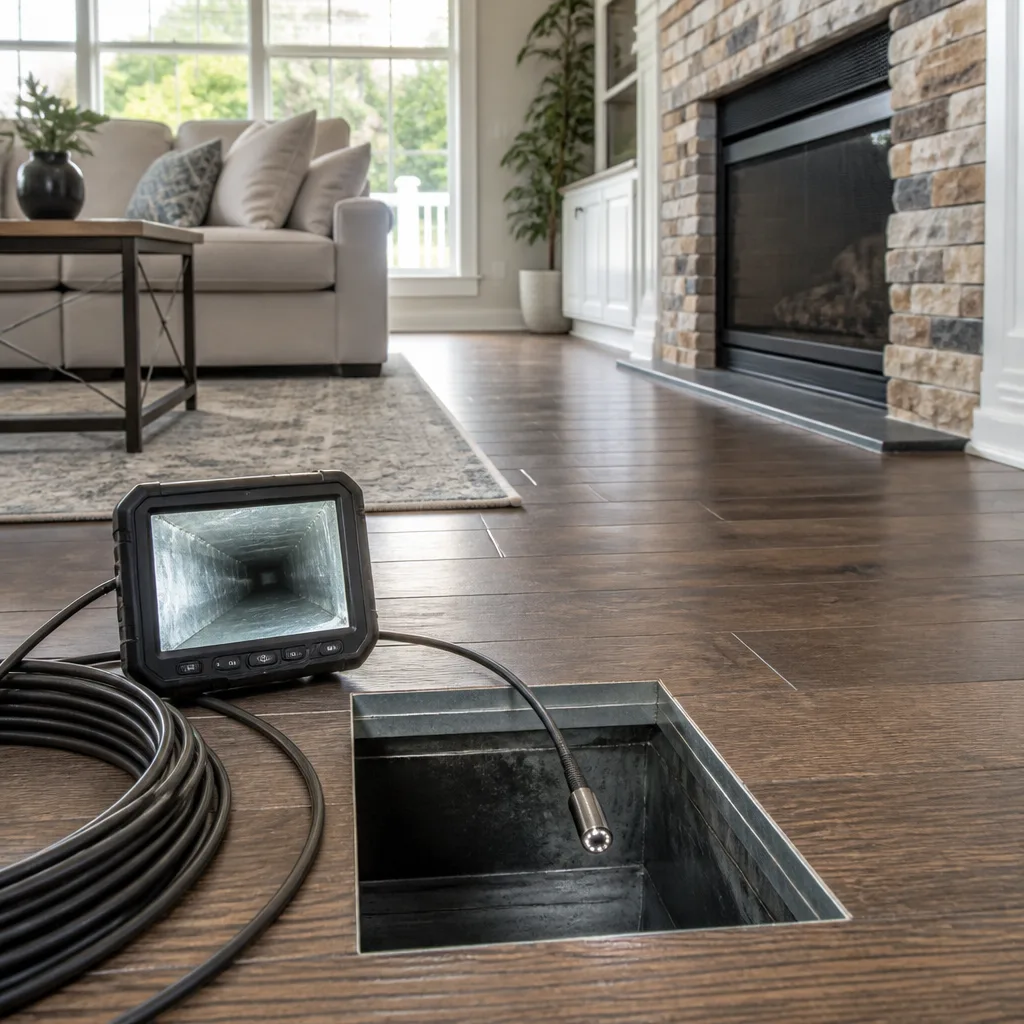 Camera inspection
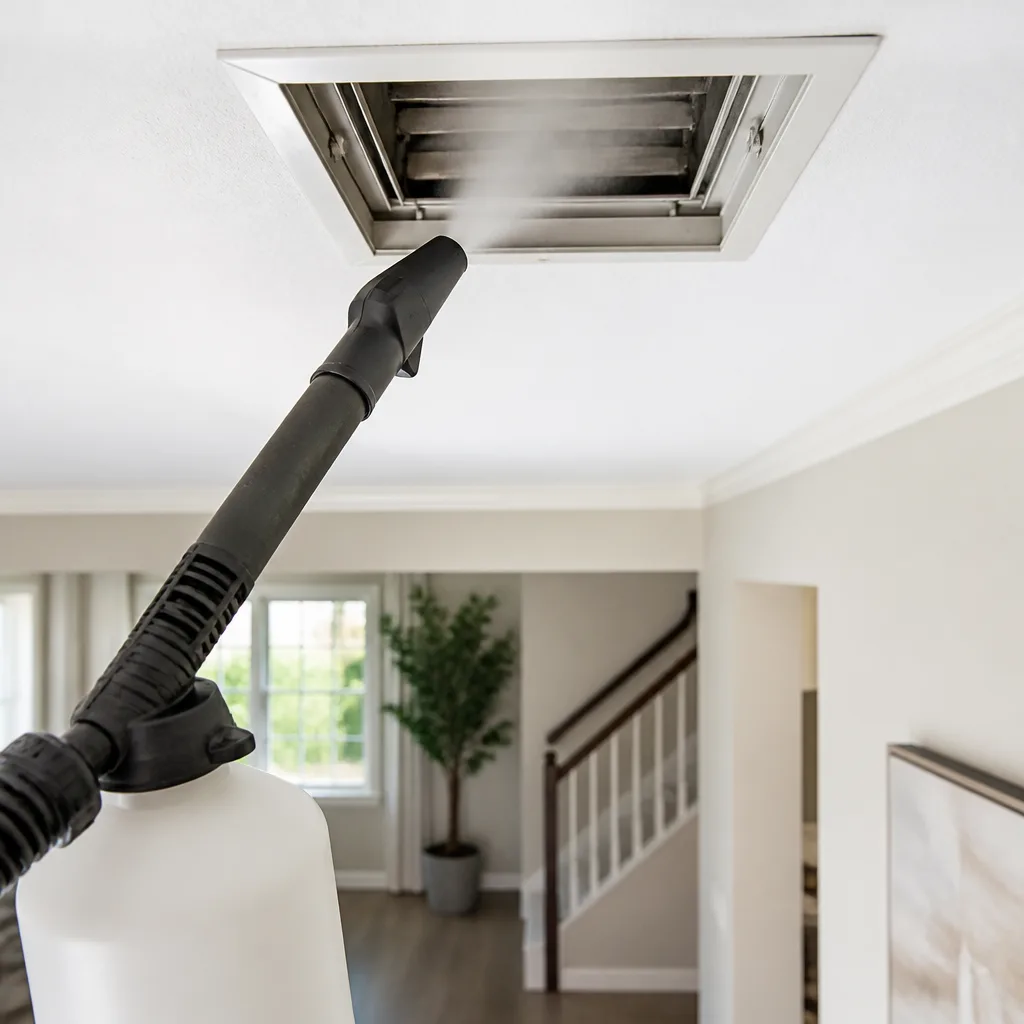 Sanitizing & deodorizing
Whole-system duct and dryer vent check with before-and-after photos - you see exactly what came out of your vents
That "$99 whole-house special" is a bait ad - the real number appears once they are in your hallway, or the "clean" is a shop-vac at the register. We photograph the inside of your ducts before and after instead.
Honeywell Duct Sealing & Repair: The Houston Owner’s Guide
If you have a Honeywell duct-sealing or repair component that’s failed, we stock the parts and do the work. Most Honeywell duct sealing and repair jobs in Houston run between $220 and $480 installed, depending on the section of ductwork involved and what failed. You’ll usually know something’s wrong because a room stopped cooling evenly, your electric bill ticked upward for no obvious reason, or you can feel air bleeding out of a joint that used to be tight.
The typical story we hear: a homeowner notices one bedroom runs five or six degrees warmer than the rest of the house, or a hallway smells musty right around the vent. They go looking, and somewhere along the run they find a failed seal, a separated joint, or a Honeywell damper or access component that’s given up. Duct sealing isn’t glamorous, but when it fails, the house tells you.
Which Honeywell Models This Applies To
Honeywell manufactures a wide range of duct-adjacent components: zone dampers (the ARD and ZD series), bypass dampers, duct-mounted humidity sensors, and the TrueZONE control systems that drive them. A failed “duct sealing” job almost always traces back to one of these components or to the sealed joints where flex duct meets a rigid trunk line. The Honeywell TrueZONE ARD series is the one we see most often in Houston homes; the damper blade itself is fine, but the foam ring seal around the shaft dries out and starts leaking.
When matching a part, the label matters. Every Honeywell damper and sensor carries a model number printed on the housing, typically starting with ARD, ZD, or H. Snap a photo of that label before you call us, and we can confirm the correct replacement before our van ever leaves the lot. As for OEM versus aftermarket: for Honeywell zone dampers, we almost always recommend genuine Honeywell replacement parts. The aftermarket foam rings and gaskets we’ve tested don’t hold up as well, especially in a Houston attic where summer temperatures above 140°F bake every soft seal in the system. The cost difference is real, but it’s usually $20 to $40, and you only want to do this once.
One compatibility gotcha worth knowing: an ARD damper made for a rectangular trunk line won’t fit a round branch line, even if the actuator motor looks identical. The damper body is shaped to the duct, not the motor. Measure the duct opening, not just the electrical connector, before you order anything.
Kestrel Air Duct Houston is an independent service provider. We’re not affiliated with Honeywell, but we work with their equipment every week and we keep common replacement parts on the truck.
Styles & brands we work with
Signs Your Honeywell Duct Sealing & Repair Is Failing
- One room won’t hold temperature while the rest of the house is fine. A failed seal at a branch connection means conditioned air leaks into the attic or wall cavity before it ever reaches the register. That room runs warm in August and cold in January, no matter what the thermostat says.
- You hear a soft whistle behind the wall or above the ceiling near a vent. Air escaping through a small gap under pressure makes a high-pitched sound. It’s quiet, and most people only notice it at night when the house is silent. If you hear it, there’s a leak.
- Your Honeywell zone damper makes a grinding or buzzing sound when the system calls for heat or cool. That’s usually the actuator motor working against a seized damper shaft or a collapsed foam seal that’s jammed the blade. Ignoring it burns out the motor, which turns a $40 seal replacement into a $180 actuator swap.
- Dust accumulates unusually fast around one or two specific registers. A separated duct joint pulls attic air into the system. Attic air in Houston carries dust, fiberglass particles, and whatever else lives up there. If one vent always looks dirtier than the others, the duct feeding it has a leak upstream.
- Your electric bill climbs during a summer when rates haven’t changed. According to what we see in the field, a single large duct leak can dump 20 to 30 percent of your conditioned air into unconditioned space. Your system works harder, runs longer, and the bill finds you at the end of the month. In Houston, where air conditioning runs from April through October, that adds up fast.
See the difference
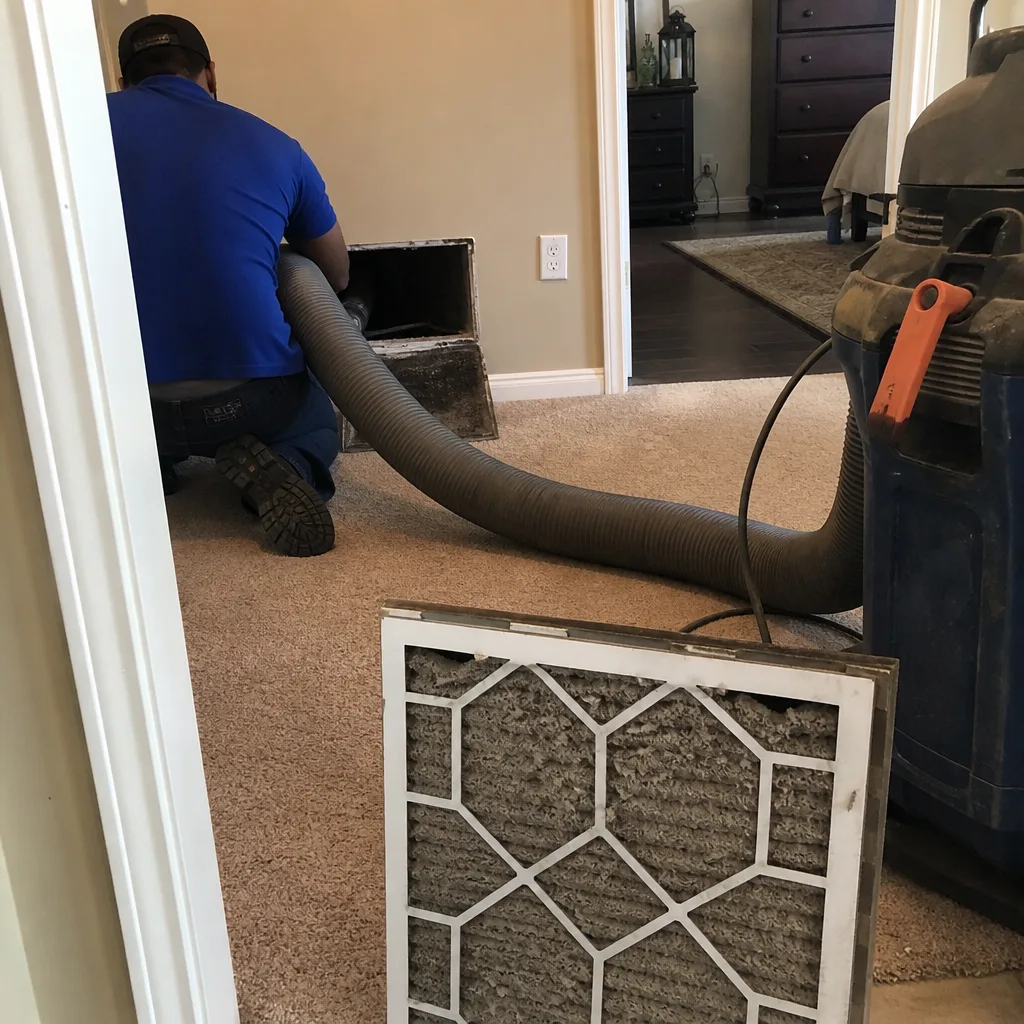 Before
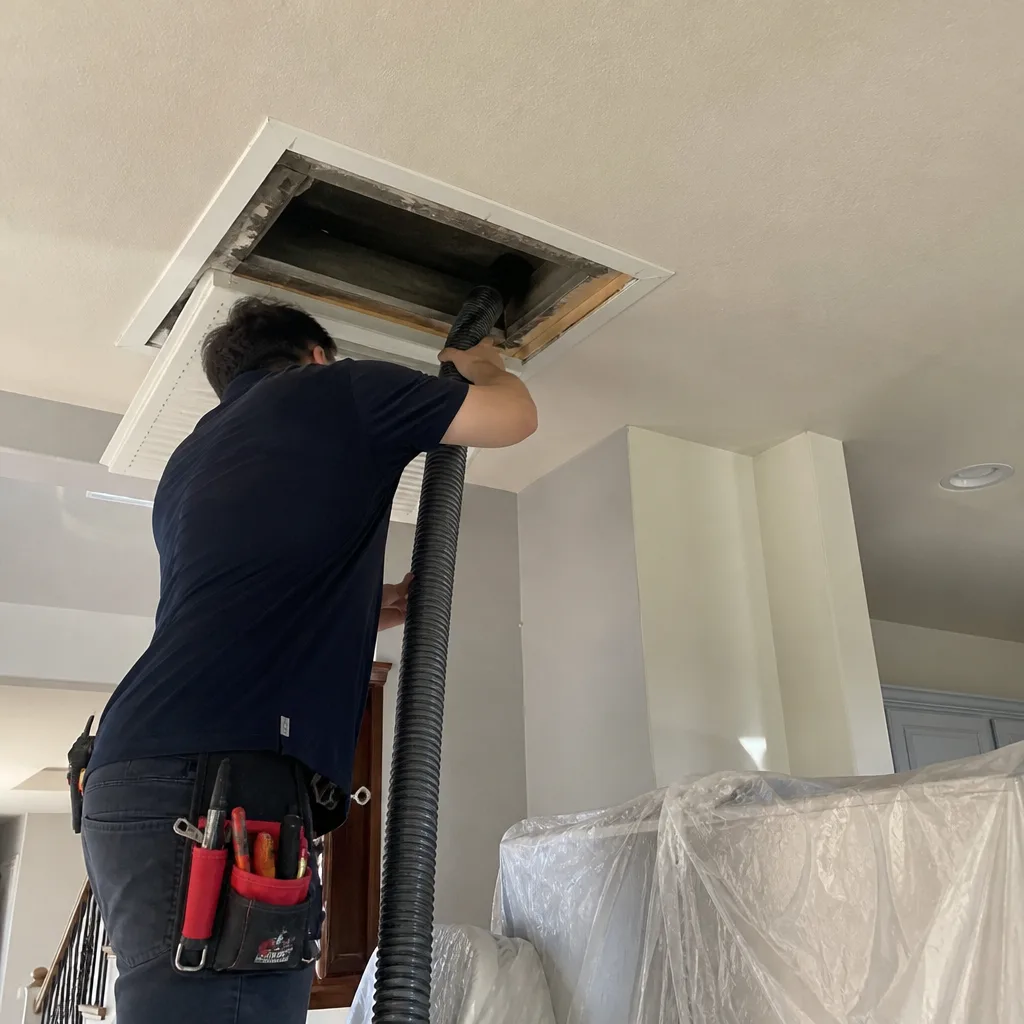 After
After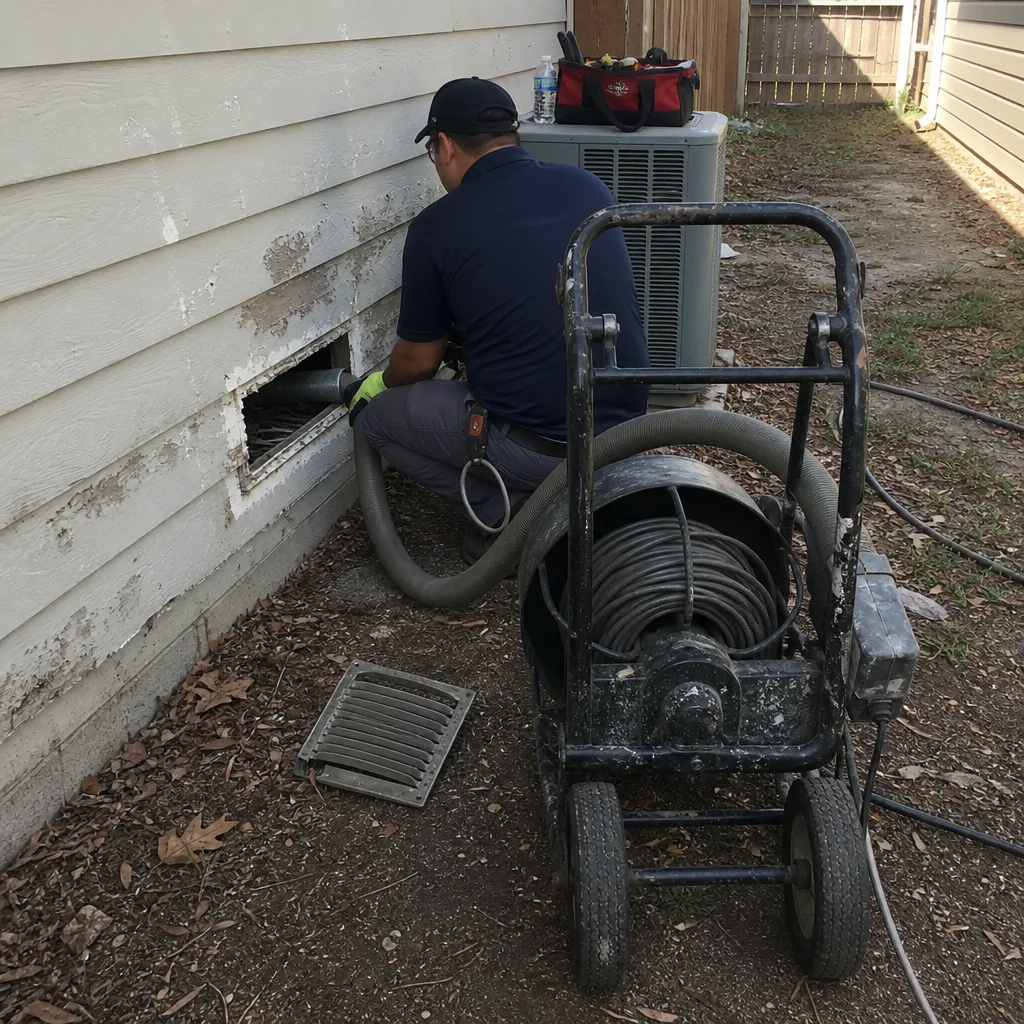 Before
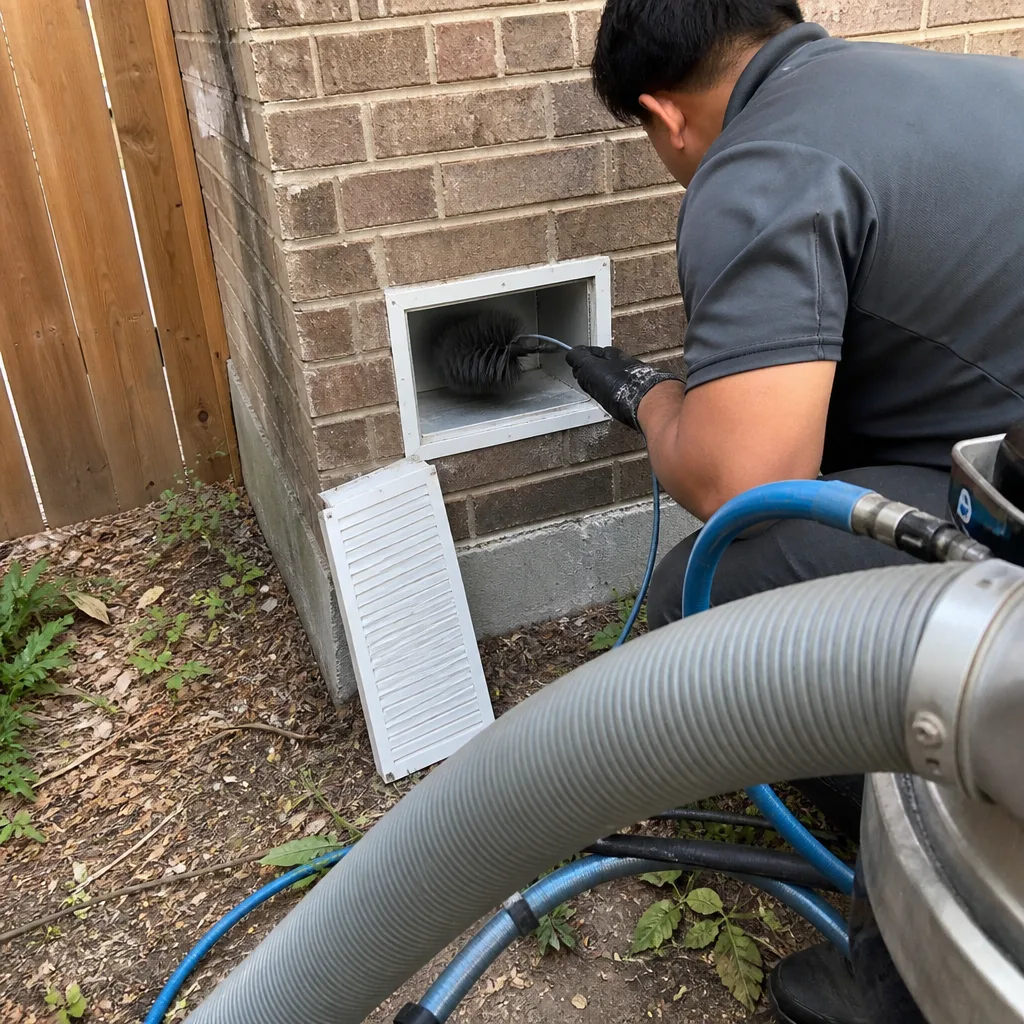 After
After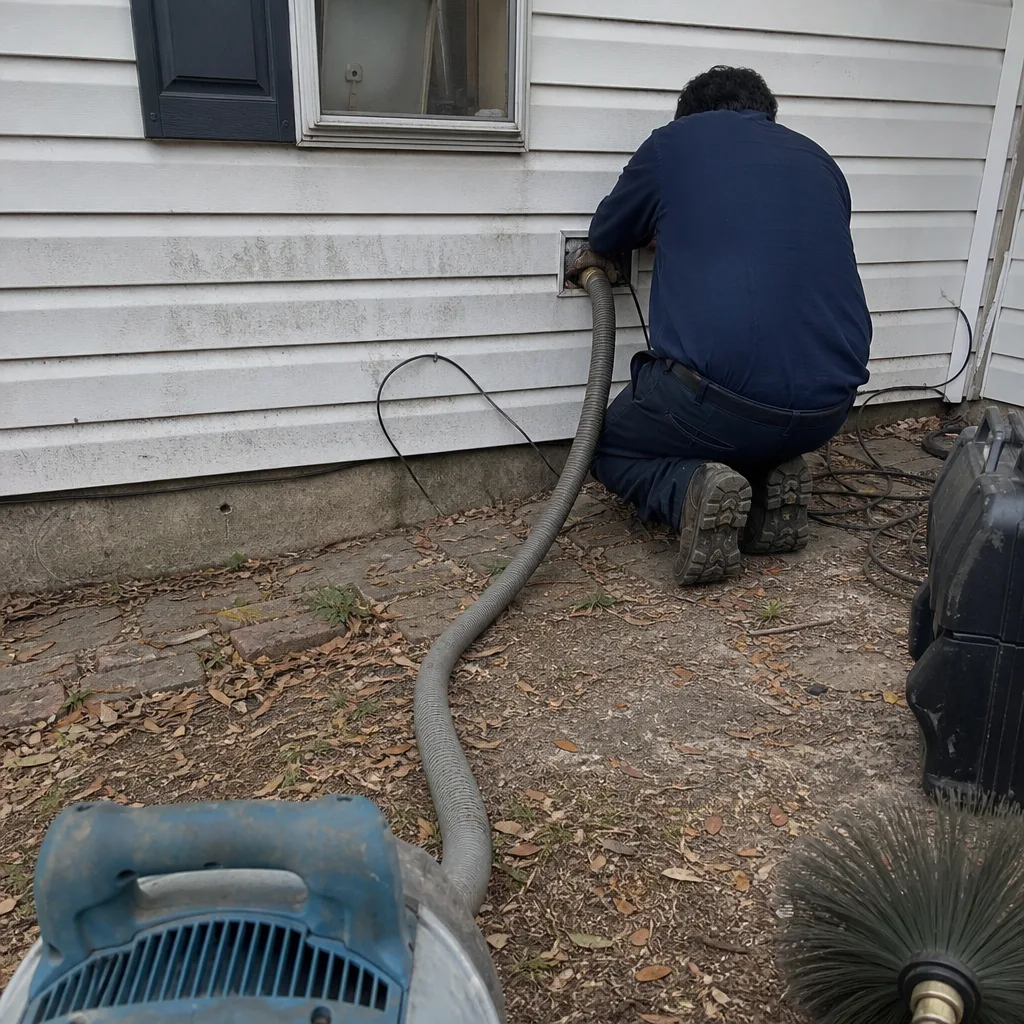 Before
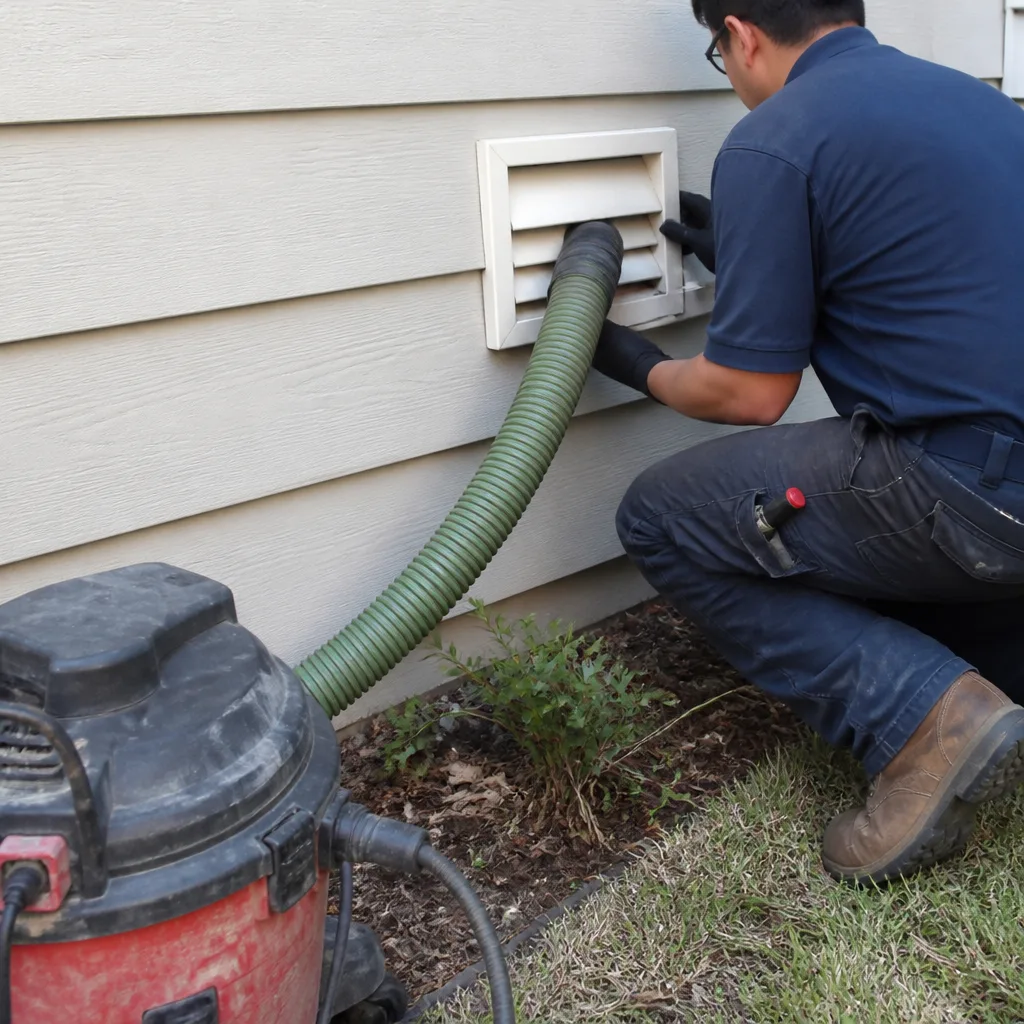 After
AfterReplacement Cost & What’s Included
For most Houston homes, Honeywell duct sealing and repair work runs between $220 and $480 installed. The lower end covers a straightforward re-seal at a single accessible joint or a replacement damper seal ring with the part already in stock. The upper end covers multi-point sealing along a trunk line, a replacement zone damper or actuator, or work in a tight attic where access takes real time. Every quote includes the part, the labor, and cleanup at the work site.
The price range moves based on three things: how many feet of ductwork we’re dealing with, whether we’re replacing a part or just re-sealing one, and how easy the work area is to reach. An attic with a walkway and a light fixture is a different job than a crawl space under a pier-and-beam house. You’ll get the exact number in writing before we touch anything. No revisions at the door, no “while we’re here” add-ons. That’s the Kingswell Guarantee, and we put it in writing on every single visit.
Every Honeywell duct sealing and repair job we do carries the 365-Day Done Right Promise. If the seal fails or the part we installed doesn’t hold within a year, we return and fix it at no charge. That’s in writing too.
DIY or Call Us?
This one is closer to “call us” than most duct questions, and here’s why. The dangerous parts of duct sealing aren’t the ducts themselves; it’s everything around them. In a Houston attic you’re working around gas lines, electrical wiring, and ductwork that’s often pressed against roof decking at 140 degrees. One wrong step through a ceiling joist and you’re not saving money anymore. That said, there are things you can safely check: visible gaps at register boots, disconnected flex duct you can reach without climbing, and obvious tears in the reflective outer liner. Mark it, photograph it, and call us at (254) 347-2738.
What we’d caution against: any work that requires cutting into the plenum, moving a zone damper, or re-sealing joints with mastic while balanced in an attic. Mastic is sticky, permanent, and unforgiving if applied wrong. We use it daily, and we still take our time with it. We were out at a house near the Heights recently where a homeowner had attempted his own duct-seal with a can of spray foam. The foam had expanded into the duct opening and choked airflow to an entire wing of the house. What would’ve been a $260 re-seal became a $600 removal and repair. We got it done, but he’d have saved time and money with a phone call first.
Our background-checked, uniformed technicians use Abatement Technologies HEPA filtration during any repair that disturbs duct interiors, so the dust we knock loose doesn’t end up in your living room. You’ll get a written price before we begin and a clean workspace when we leave. That’s the Kingswell Way, and it’s not a slogan we came up with for a website. It’s how we’ve operated since 2004.
FAQs
In a Houston attic, a properly applied duct seal using mastic and fiberglass mesh typically lasts 8 to 12 years before the material starts to dry and crack. Foam seals inside Honeywell zone dampers tend to go sooner, often at the 6 to 8 year mark, because the heat and humidity accelerate breakdown. If you’re replacing seals every two or three years, something else is wrong, usually excess system pressure or a damper that’s been forced into the wrong position. Call (254) 347-2738 and we’ll identify the root cause, not just replace the symptom.
It depends on what failed. A worn foam seal ring is replaceable in most ARD and ZD models, and that’s a common repair we do for well under $200. If the actuator motor has burned out or the damper blade itself has warped from heat exposure, replacement is the honest fix. We’ll show you the failed part and explain exactly what we’re doing before we do it.
Most Honeywell duct sealing and repair jobs take between one and three hours, start to finish. A single joint re-seal is typically done in about an hour. A zone damper replacement or multi-point sealing job with limited attic access can stretch to three. We’ll give you a realistic arrival window and a time estimate when you book, and we don’t leave until the work is tested and the attic is cleaner than we found it.
We stock the most common Honeywell replacement seals, gasket rings, and zone dampers on our trucks, including ARD-series rectangular and round dampers in the sizes we see most often in Houston homes. Specialty sensors or uncommon damper sizes may need a day or two to source. Call (254) 347-2738 with your model number and we’ll tell you right then whether we’ve got it on the shelf.
Written by Dale Whitmore, Owner, Kestrel Air Duct Houston at Kestrel Air Duct Houston, serving Houston and nearby areas.